
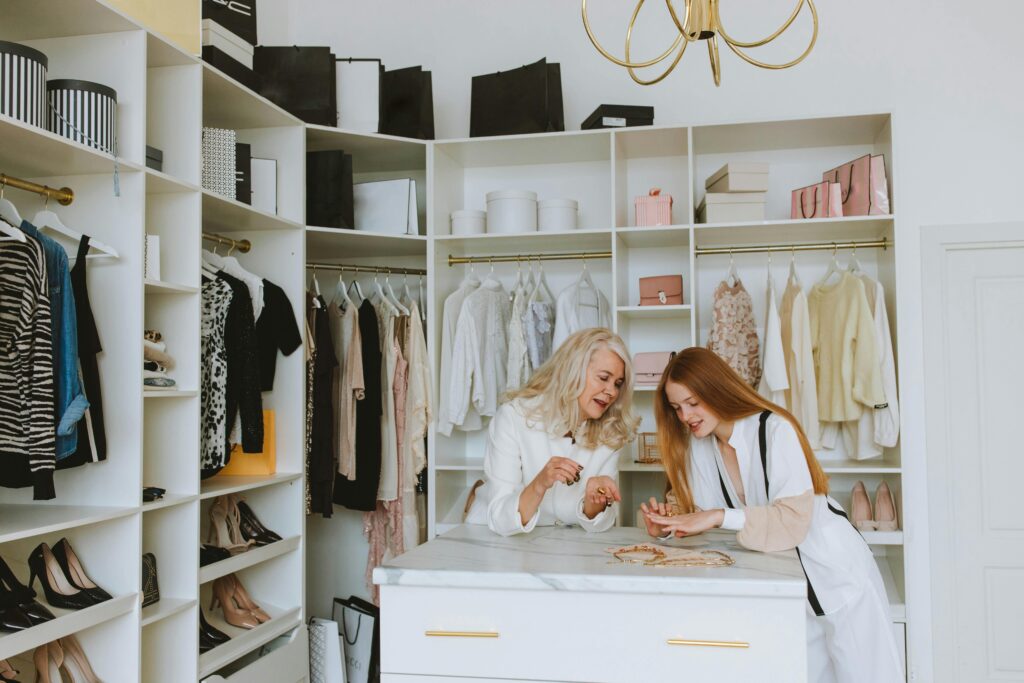
Trending Closet Organization a well organized closet is not just a space saving solution but also a reflection of your personal style and daily efficiency. With trends in home organization continually evolving, staying ahead with the latest closet organization tips can transform your daily routine and elevate your living space. Whether you have a walk-in closet or a compact wardrobe, these trending tips will help you achieve a clutter-free and visually appealing closet setup.
Maintaining a tidy closet involves more than just folding clothes; it also involves balancing your possessions with your way of living. Let’s examine how cutting-edge organizing strategies, fashion trends, and clever concepts can turn your area into a practical and fashionable sanctuary.
The Importance of An Organized Closet:
A clutter-free life starts with a well-organized closet It makes dressing every day more pleasurable lowers stress and keeps you productive You frequently squander time looking for clothing or accessories when your closet is disorganized Particularly on hectic mornings this disorder can cause dissatisfaction and decision fatigue You feel more in control and at ease when your closet is organized You can quickly see what you own, determine what you wear most frequently and steer clear of pointless purchases Additionally it keeps your clothing from getting damaged or wrinkled. Whether you choose a minimalist look or a fashion-forward atmosphere an orderly environment also displays your personality and ideals. Keeping your wardrobe tidy is a true kind of self-care in the modern world, as it encompasses both mental and physical balance.

The First Step to Closet Freedom Cleaning Up:
organizing is necessary before arranging. This is the time to let go of things that are no longer useful to you. Ask yourself Do I love this use it and need it as you go through each item in your closet. If not, it’s time to move on. Decluttering provides your closet breathing room and enables you to find hidden treasures. For example Marie Kondo’s KonMari method stresses retaining only things that “spark joy.” This method fosters emotional clarity and helps you make thoughtful choices. Clothes can be classified as recyclable, donated, sold, or kept. Nowadays, a lot of people decide to donate to charity, while others prefer to resell gently worn goods on websites like Poshmark or Depop

Smart Storage Solutions for Every Closet Size:
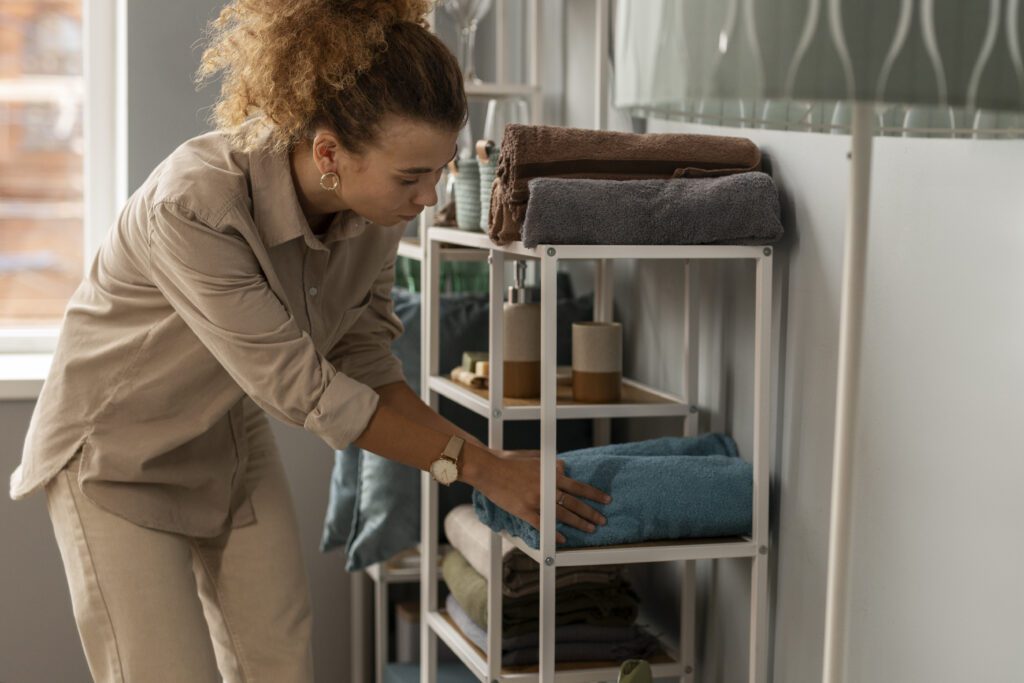
Smart storage is essential, whichever the size of your closet. Making the most of every square inch of space while maintaining accessibility and aesthetic appeal is essential to modern organization. Vertical storage is revolutionary for small closets. To add layers of functionality, use double rods, hanging organizers, and stackable bins. Slim hangers give your wardrobe a consistent appearance while saving space. Pull-out drawers and rotating racks maximize hidden corners, while clear bins or labeled baskets make it simple to locate goods quickly.
What It Means for Consumers & Creators:
The development of luxury clothes has given buyers more options, but it has also increased scrutiny. These days, purchasing a luxury item is about more than just the product itself; it’s also about the story, the manufacturing, the longevity, the brand ethics, and the resale value. Today’s consumers are more demanding, connected, and educated.
The difficulty for creators designers, businesses, and artisans is striking a balance between tradition and innovation, luxury and responsibility, exclusivity and accessibility. Transparency, digital fluency, and cultural relevance are more important than craftsmanship alone. In order to be approachable and aspirational, brands must broaden the definition of status rather than diminish it.
Future Outlook What Comes Next for Luxury Opulence:
In the future, a number of trends will probably influence how opulence is defined in luxury fashion:
- Digital wearables, NFTs, and avatar clothing are examples of virtual luxury and virtual products that will carry brand reputation and may fetch high resale values.
- Made-to-order/on-demand luxury: More focus on personalization, reduced waste, and customized manufacturing as opposed to mass production.
- Circular luxury economy: Luxury companies are increasingly involved in rental services, renovation, and resale marketplaces; luxury is not just about having but also about accessing and reusing.
- Cultural and global fusion: Non-Western luxury narratives will become more prominent, and cross-cultural partnerships and businesses from Asia, Africa, and Latin America will change the definition of luxury.
- AI, 3D design, body scanning, and virtual fitting are examples of hyper-personalization through technology that will make luxury more accurate and customized for each individual.
- Purpose-driven luxury: Items with a pedigree, an artisan narrative, sustainable materials, and ethical suppliers will be more valuable.
Tech, E-Commerce, Virtual Fashion & New Frontiers:
Technology is another revolutionary factor in the evolution of luxury. E-commerce, social media, and virtual experiences things that previously seemed incompatible with luxury are now crucial. AR/VR, virtual fitting rooms, digital fashion (NFTs, metaverse drops), and worldwide livestreamed shows have all been adopted by luxury firms. Technology is another revolutionary factor in the evolution of luxury. E-commerce, social media, and virtual experiences—things that previously seemed incompatible with luxury are now crucial. AR/VR, virtual fitting rooms, digital fashion (NFTs, metaverse drops), and worldwide livestreamed shows have all been adopted by luxury firms.
Diversification And Democratization:
The late 20th and early 21st centuries brought new chances and challenges for luxury fashion With the emergence of digital media street style young culture and globalization, luxury could no longer be confined to exclusive boutiques and showroom experiences. The incorporation of streetwear motifs into luxury was one of the biggest changes. Once avoiding the lower or mass culture brands started working with streetwear labels to create luxury × street capsule collections that appealed to younger international consumers.
Important Factors Influencing Luxury Fashion’s Future:
The next chapter different luxury fashion is now being shaped by a number of factors, including:
- Experience over goods: Customers are beginning to place a higher value on the story, service, and exclusivity of owning a luxury brand than they do on the outward display of logos.
- Personalization & Customization: You can add value to your luxury buy by tailoring, monogramming, designing, or working together on certain aspects. The “one-of-a-kind” aspect is becoming more significant.
- Sustainability and Transparency: As previously said, resale markets, carbon-neutral manufacture, circular fashion, and ethical sourcing are now essential.
- Globalization and Emerging Markets: As Asia, Africa, and Latin America grow, luxury brands must adapt to new consumer preferences, cultural norms, and expectations while preserving brand coherence across the globe.
- Younger consumers (Gen Z, Gen Alpha) who were raised in a digital age demand brands to speak their language (social, gaming, collaboration, authenticity).
- Scarcity and Collaborations: Scarcity and distinctive collaborations (limited drops, high-profile partnerships) are still crucial to maintaining the aura of luxury.
Summary:
The history of luxury fashion is extensive, multifaceted, and continuous, ranging from street-culture partnerships and digital fashion releases to royal palaces and custom ateliers. Opulence now refers to depth, narrative, workmanship, and significance rather than just glitter and gold. Being able to carry a legacy item that still speaks to one’s ideals and the times is what it means to be a member of something special yet relevant. There are opportunities for brands, designers, and consumers alike as luxury is being redefined.
FAQs:
What does diversification mean in luxury fashion?
Variety refers to the expansion of luxury brands’ offerings, styles, and products. From haute couture to ready-to-wear, accessories, and partnerships with other designers or streetwear labels, they produce a variety of lines.
Why are luxury brands collaborating with streetwear labels?
Collaborations enable top businesses to engage younger consumers, maintain cultural relevance, and produce highly sought-after limited-edition “hype” collections.
What is democratization in luxury fashion?
It is the process of increasing access to luxury. Modern companies provide entry-level goods like handbags, fragrances, or accessories that appeal to a wider audience, whereas previous luxury was only available to the wealthy.
Are all luxury brands following these trends?
Though they take different approaches, the majority of large luxury houses are embracing democratization and diversification. While some concentrate on partnerships or reasonably priced product lines, others concentrate on digital expansion.
Read More Articles https://trendythreads.net/how-to-build-a-capsule-wardrobe-for-style-2025/


