

A sofa slipcover gives an older piece of furniture a refreshed, updated look and instantly brightens your room. Buying a ready-made slipcover is always an option, but creating one yourself saves money and lets you choose the exact fabric, color, and texture you love. The best part is that you only need a few basic materials and a couple of hours to make it. A slipcover is a removable fabric layer that fits over cushions, chairs, and sofas. It shields your furniture from wear, spills, dust, and pet hair, acting like a protective barrier. Many people use slipcovers to maintain the condition of their furniture or to transform a room without buying new pieces. They’re also ideal for busy homes because you can easily remove them for quick, stress-free washing.
Advantage Of Sofa Slipcover:
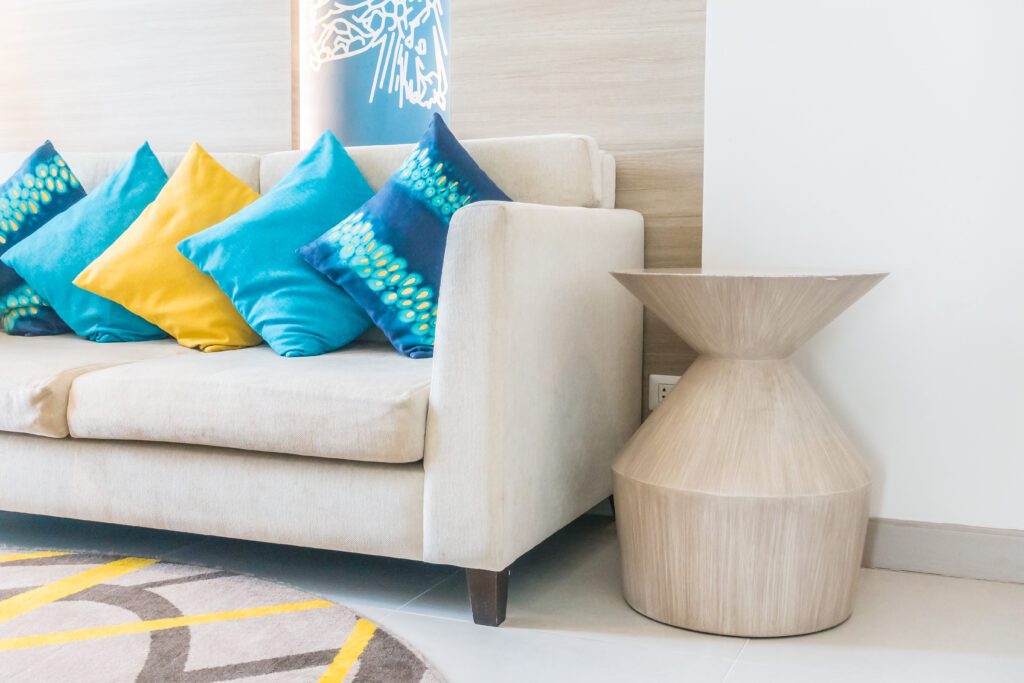
A quick transformation of your living area is another significant benefit With a slipcover you may alter the colors designs and textures without purchasing new furniture Because of this versatility you may experiment with different styles at a fraction of the expense or update your décor according to the seasons For instance in the summer light linen slipcovers can brighten your room and in the winter deep velvet slipcovers provide a comforting warm atmosphere For those who love remodeling slipcovers are a popular option because of their creative freedom.

Materials You’ll Need:
Fabric: Choose a durable fabric that suits your aesthetic and practical needs. Cotton, denim, and twill are popular choices for their durability and ease of washing.
- Measuring Tape: Accurate measurements are crucial for a well-fitting slipcover.
- Sewing Machine: Ensure it’s equipped to handle heavy fabrics if needed.
- Pins and Clips: For holding fabric pieces in place while you sew.
- Thread: Match it to your fabric.
- Scissors: Sharp enough to cut through heavy fabric.
- Tailor’s Chalk or Fabric Marker: For marking measurements on your fabric.
- Elastic or Velcro: Optional, for securing the slipcover in place.
Step by Step Instructions:
Measure Your Sofa:
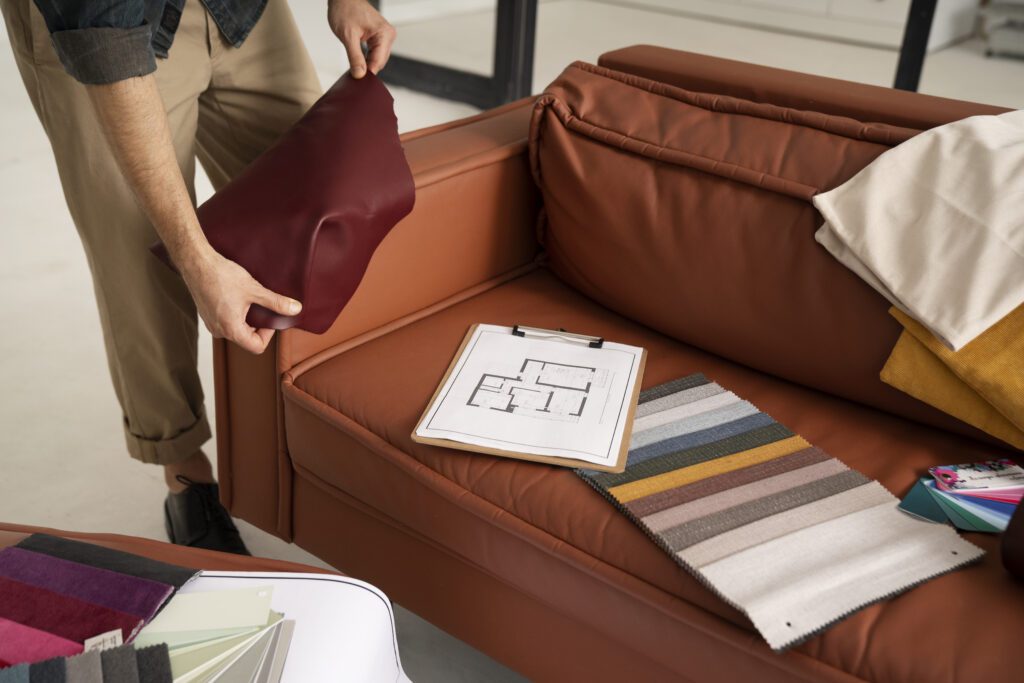
Take accurate measurements before you start cutting the fabric. Measure the total width from the left arm to the right arm, the back height from the top of the backrest to the floor, the seat depth from the front edge to the back cushion seam, and the seat height from the floor to the top of the cushion. Also measure the arm height from the top of the arm to the floor, the arm width, and each cushion’s length, depth, and thickness. If your slipcover will wrap beneath the sofa, measure the full drop length by running the tape from the top of the backrest down over the front of the seat and all the way to the floor. Measure every cushion individually since many sofas have detachable cushions with different sizes.
Choose And Prepare Your Fabric:
Choose between a relaxed/stretch fit (quicker, forgiving) and a tailored/custom fit (clean, minimal wrinkles) Stretch covers use elasticized panels and stretch fabric while tailored covers use more pattern pieces and exact seams Add extra for hems skirt hems and pattern matching when estimating fabric yardage Seam allowances are typically 1.5 cm or ⅝ in per seam Depending on the drop and whether you cover cushions and skirts a standard three seat sofa may require 6–12 meters (7–13 yards) purchase more than you anticipate.
Create A Working Pattern:
Using your measurements you can create designs directly on the fabric a popular method for furnishings As an alternative use wood pulp to create big paper patterns Divide the sofa into the following basic panels the back panel the arm panels (left and right) the cushion covers (seat and back cushions) the seat panel (often two for the seat and front apron) and the skirt (if any) Mark the locations of the seams along the sofa’s vertical center back where the seat and back connect and the outside arm seams for a tailored appearance Add 2.5 cm (1 in) for the hems and 1.5 cm (⅝ in) for the seam allowance around each pattern edge.
Cut The Fabric:
Carefully cut each fabric piece following your markings. Make sure you have every panel: back, seat, arms, front skirt, and any sofa-specific sections. Lay the fabric flat on a wide table or the floor and align the fabric grain so the vertical threads run up and down on the arms and back. Transfer each panel onto the fabric with tailor’s chalk or pinned paper patterns, and include the seam allowances you planned. Cut slowly and precisely; if the fabric has a pattern, match the design across adjacent pieces. Finally, label every cut piece (Back L, Back R, Seat Center, Arm Top, Arm Side, Cushion 1, etc.) to avoid confusion during assembly.
Pin And Sew Sections Together:
To fit as you go start with the biggest structure seams Attach the seat front apron or seat panel to the rear along the seat seam after sewing the back panels together (central seam if applicable) Attach the arm top to the outer arm side and the seat/side seams when sewing arm panels At beginnings and endings use a straight stitch and a backstitch For a tidy appearance use an iron to press seams open Before fastening your sofa’s skirt to the front apron or seat hem the bottom edge.
Fitting As You Go:
After sewing the main seams but before finishing the edges, place the cover on the sofa to test the fit. This step helps you adjust the ease, refine the pinning, and check the alignment of each panel. Mark the areas where you need to take in or let out the seams, smooth the fabric, and pull gently on any spots that pucker. Minor adjustments are normal sometimes you’ll add a small fabric strip where the cover feels tight or open a seam slightly for a better fit. Use tacking stitches or large safety pins to hold these temporary adjustments in place.
Cushion Covers:
Take exact measurements of every cushion To make a box cushion cut a top piece (length × depth) a bottom piece of the same size and four side strips whose lengths match the cushion sides and whose widths equal the cushion thickness. Include seam allowances Add the bottom after sewing the side strips to the top Use overlap (envelope) backs or add a zipper along one side for easy removal and washing Fit cushions into the coverings and press seams.
Add Finishing Touches:
To minimize fraying finish raw edges with a crisp zigzag stitch serger or bias binding To secure the slipcover to the couch frame and lessen movement insert Velcro strips or ties inside the hidden arm and seat seams For stretch coverings use webbing with elastic to secure the slipcover beneath the sofa or sew elastic into the bottom hem To prevent facings from rolling topstitch or understitch as necessary.
Styling Options & Extras:
Gussets on the arms and darts at the back corners give it a tailored appearance Attach a pleated or gathered skirt to the front edge and finish the bottom with a hem if you prefer a skirted effect Add a detachable arm cap made of the same fabric that tucks over the arm and is fastened with Velcro or ties to protect high use areas. Use a tiny layer of batting to soften lines where edges converge for additional shaping.
Enjoy Your New Slipcover
Step back and admire your handiwork! You’ve successfully made a custom slipcover for your sofa. Enjoy the refreshed look of your living space and the protection your slipcover provides to your furniture. Creating a sofa slipcover is a rewarding DIY project that can dramatically transform your living space. With careful planning and execution, you can achieve a custom look that enhances your home’s decor while protecting your furniture.
Care Instructions:
If at all possible, prewash the fabric before final installation to avoid future reducing. Put washing instructions on a tag. Heavy fabrics for upholstery could require dry cleaning, but many slipcovers can be machine washed on a mild cycle and hang dried. Cushion covers should be routinely removed, cleaned, and vacuumed to get rid of dust and hair. Fix minor rips as soon as possible, and re-anchor any Velcro or ties that become loose over time.
Summary:
The first step in creating a sofa slipcover is assembling the necessary supplies sturdy fabric matching thread pins chalk and a sewing machine To ensure that every panel precisely fits the shape of the frame and cushions the procedure begins with meticulously measuring each area of your sofa When the dimensions are set you may make pattern pieces or draw the shapes directly onto the cloth making sure to leave extra room for hems and seams The main panels the back seat armrests and front apron are sewed together after the cloth has been trimmed and the slipcover’s fit is checked on the couch Depending on the design box style or envelope style construction is typically used to make cushion covers separately.
FAQs:
Is making a sofa slipcover difficult?
Basic sewing skills and patience are needed If the sofa has basic lines a novice can accomplish it by following detailed directions.
How much fabric do I need?
Depending on the design fabric width number of cushions and if a skirt is added a typical three-seater couch typically requires 6–12 meters (7–13 yards).
Should I prewash the fabric?
Yes. Specially for cotton linen or any other washable fabric prewashing minimizes loss later.
Can I make a slipcover without a pattern?
Indeed. The majority of do it yourselfers manufacture slipcovers by covering the sofa with fabric pinning the seams and then sewing.
What type of fabric works best?
Cotton twill, sofa cotton, linen blends, and polyester mixes are examples of durable materials that function well. Although they are simpler, stretch materials appear less fitted.
Read More Articles https://trendythreads.net/design-delights-ideas-for-sprucing-up-your-home-furniture/


