The Artisan’s Palette refers to a creative space both literal and symbolic where crafters and artists collect the supplies, hues, textures, and sources of inspiration needed to realize their creations. It symbolizes the whole range of components that craftsman uses to produce handcrafted work, not just a literal palette of paints. In simple words It represents the artisan’s artistic decisions, personality, and ties to custom and the natural world. This palette of concepts and materials serves as the foundation for all handcrafted items, including paintings, textiles, sculptures, ceramics, and handmade crafts. It depicts the creator’s heart and thoughts, showing how creativity turns unprocessed elements into works of art.
Important Parts Of The Artisan’s Palette Include From:
- Textures & materials
- Traditional techniques
- Cultural influences
- Personal inspiration
- Emotions and storytelling
- Nature-based elements
- Creative experiments
- Colors & pigments
The Essence Of The Artisan’s Palette:
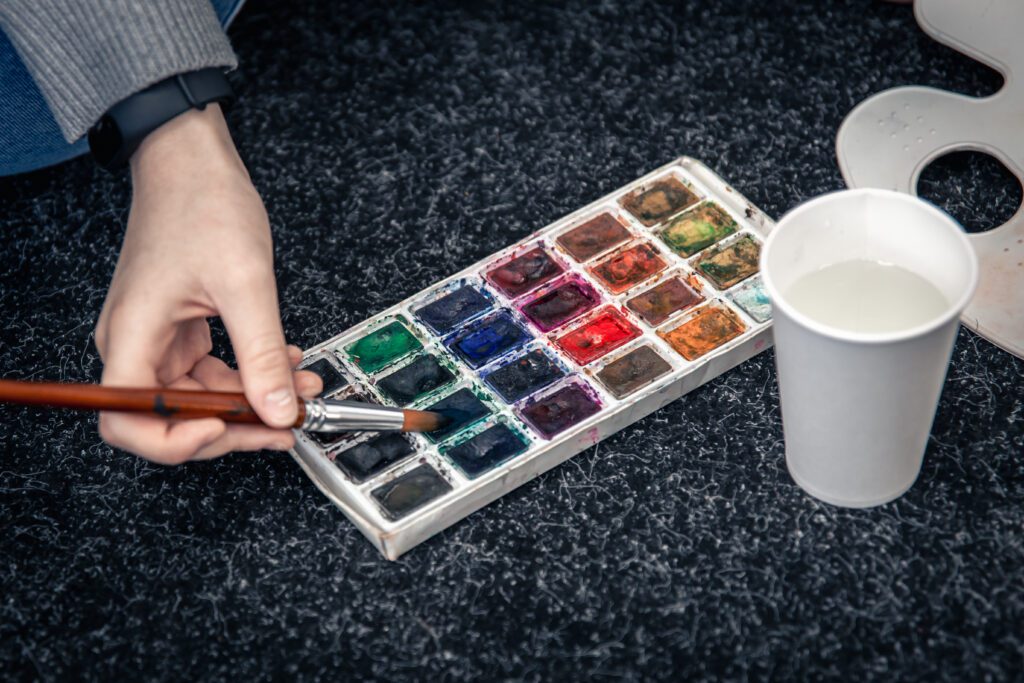
The area where creativity material and meaning converge is represented by the Artisan’s Palette which is much more than just a combination of hues An artisan’s work is based on intention as opposed to mass produced designs that emphasize speed and uniformity Every decision, from the texture produced to the pigment utilized is the result of intentional choices influenced by custom curiosity and individual expression The palette itself goes beyond normal paints; it includes earthy tones organic textures natural colors and unusual materials that craftsman collect from their environment A visual language that directly relates to emotions is produced by this rich combination.
Craftsmanship As A Form Of Storytelling:
Each handmade item has a history which sets artisan crafts apart from mass produced goods An artisan incorporates elements of their experiences background and environment into their work as they sculpt clay, carve wood or paint a canvas We are reminded that the thing was created by human hands by its subtle flaws color variations and rough surfaces Everyday objects are transformed into significant artifacts with profound meanings because to this storytelling element.
The relationship between creator and created becomes an intimate powerful dialogue whether it’s a painting depicting an emotional moment a ceramic bowl inspired by a maker’s childhood environment or a woven basket representing tribal heritage Artists convey their unique viewpoints on the world while preserving cultural memory through their work.

The Fusion Of Tradition And Modernity:
The way that modern design emotions blend with old processes is one of the most intriguing features of new workmanship Many craftspeople adapt century-old techniques, such as metal forging, pottery wheel techniques, block printing, and hand-loom weaving, to modern living In a world that is modernizing quickly, this mix makes the craft relevant while maintaining its authenticity. For instance, historic ceramics may be recreated with modern colors or ancient weaving patterns may be incorporated into minimalist home decor.
This balance enables craftspeople to explore new creative avenues while maintaining a strong connection to their tradition By creating a living link between the past and the present their work guarantees that cultural customs change organically rather than disappear Tradition becomes an inspiration rather than a constraint in this sense.
The Art Of Imperfection:
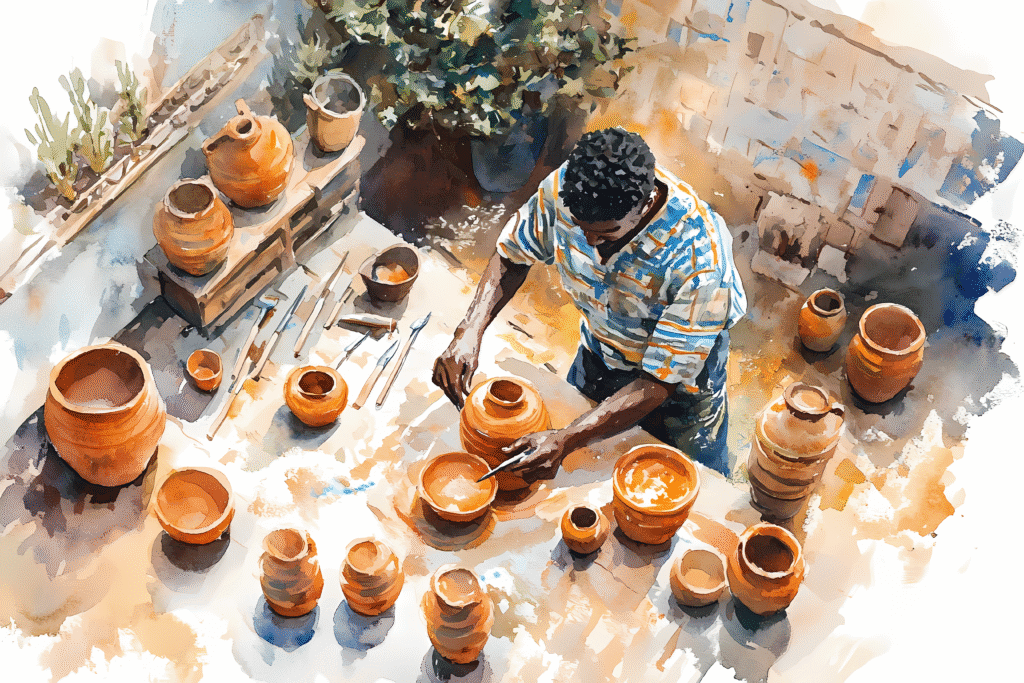
Imperfection is a signature rather than a weakness in the realm of handcrafted art Artisan works highlight originality whereas mass produced items emphasize accuracy and uniformity Genuine has been shown by the unusual texture, the hand-shaped contour, or the slightly uneven brushstroke These qualities give the craft warmth charm and humanity while serving as a reminder that beauty frequently resides in minute nuances that are impossible for robots to duplicate. Artisan work becomes more meaningful and personal as a result of this acceptance of imperfection which builds the emotional bond between the item and its owner.

Techniques That Define Craft Traditions:
- Basic craft abilities include weaving, embroidery, carving, sculpting, molding, and painting.
- To become efficient in precision and unity, each technique takes years of practice.
- Unique personality is added by specialized regional techniques including metal finials, batik dyeing, and block printing.
- Each craftsman has an own style thanks to the combination of techniques.
The Artisan’s Relationship With Their Environment:
- Makers frequently work in areas that promote serenity and concentration, such as workshops, home workplaces, or shaded nooks.
- Themes, textures, and color selections are influenced by local environments.
- Concern with the environment influences decisions to use low-waste techniques and sustainable materials.
- The studio turns into a haven for creativity and expression.
Nature As An Endless Source Of Inspiration:
Nature acts as both a resource and a source of inspiration for many craftspeople. Across the world, artisans build their work using earthly materials such as clay, stone, wood, and textiles. Color schemes often draw directly from landscapes—terracotta browns, ocean blues, forest greens, and sandy neutrals are just a few examples. Natural dyes made from flowers, leaves, roots, and minerals provide organic hues that capture the spirit and essence of the earth, infusing each creation with a connection to the natural world.
The connection to nature enhances the piece’s emotional impact in addition to its aesthetic appeal Many craftspeople adopt eco friendly materials and low waste procedures as part of their sustainable strategies Their work turns into a kind homage to the natural world, showing how nature and creativity can live together. This strategy also reflects a growing global trend toward conscious living where beauty is appreciated for its influence on the world as much as its outward look.
The Emotional Journey Of Creating By Hand:
Every handcrafted object results from a challenging, patient, and emotionally charged journey. Craftspeople devote hours of focused effort to the creative process, moving through phases of trial and error. This deliberate approach often becomes a form of meditation. While some elements evolve naturally, others require the artisan to rethink, adjust, or start anew. At every stage—whether weaving threads, polishing edges, or mixing pigments—the artisan forms a deep connection with the piece, leaving a trace of their presence and intention in the finished work.
Artisan’s Palette As A Reflection Of Humanity:
In the end The Artisan’s Palette is a potent representation of human ingenuity It represents the countless ways in which people use their hands creativity and connection to their environment to express themselves The palette serves as a link between the maker’s inner world and the tangible product they create whatever of the medium paint, cloth, wood, metal, or clay essentially this path honors uniqueness, cultural diversity, emotional nuance, and the classic beauty of handmade goods. By maintaining customs and creating new opportunities each craftsman adds to the global tapestry of creation The realm of art and craft serves as a reminder that despite advances in technology and speed human interaction is still invaluable and deeply significant.
Summary:
The Artisan’s Palette: A Journey Through Art and Craft explores the realm of handmade creativity, where colors, textures, materials, and customs come together to create meaningful art. It shows how craftspeople embrace flaws, draw inspiration from nature, and blend tradition with contemporary concepts. The artisan’s palette captures the depth, talent, and essence of handcrafted work, from the emotional process of creating to the cultural narratives embedded in each piece. Throughout this journey, artisans highlight integrity, sustainability, and the enduring beauty of human-made artifacts.
FAQs:
What is The Artisan’s Palette?
It describes the elements colors, materials, methods, and sources of inspiration that craftspeople employ to produce handcrafted work. It represents the process of creation that goes into each work of art.
Why is handmade craft important?
Handmade crafts encourage sustainability, support regional artists, and protect cultural heritage. Every piece has a human touch and a personal narrative.
How do artisans get inspiration?
The majority of craftspeople find inspiration in ordinary life, nature, culture, memories, and feelings. These influences are reflected in their color scheme.
What makes artisan work unique?
Tiny variations, textures, and imperfections make each handcrafted piece one of a kind. No two items are ever identical.
How does tradition influence modern craft?
In order to preserve traditions and appeal to new tastes, artisans combine traditional methods with contemporary designs.
Read More Articles https://trendythreads.net/neon-embroidery-thread-trending-in-diy-crafts/