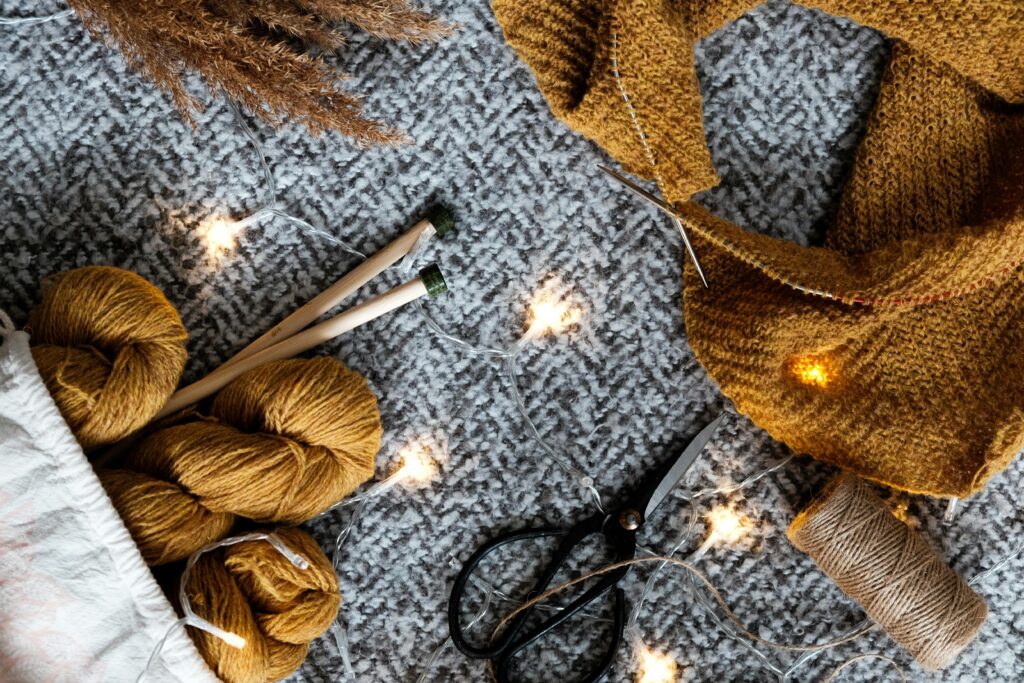
Rope artistry has steadily become a beloved craft among DIY enthusiasts decorators and artistic lovers who wish to add additional texture to their creations. The tassel, a straightforward yet gorgeous decorative element that has endured over generations, nations, and artistic traditions, is one of the most endearing results of rope crafting. Tassels are unique in that they may be both understated and dramatic. Their presence instantly improves the visual attractiveness of any item, whether you’re using them for wall hangings, cushions, draperies, handbags, or even seasonal décor. Tassels are a versatile option for both minimalist and decorative aesthetics because of their silky fibers, hand-crafted texture, and rhythmic movement.
The Cultural Significance Of Tassels And Their History
The tassel is much more than just an attractive detail. Its origins date back hundreds of years, and it has been used as decoration, creative statements, protection charms, and rank decorations. Tassels have been embraced in different ways by cultures all around the world, giving them significance that goes beyond their straightforward design.
Tassels often have mystical value in Asia and the Middle East. They are utilized in prayer items, bookmarks, traditional apparel, and home décor. While some cultures see tassels as a way to ward off bad energy, others only see them as signs of artistry and beauty. The popularity of weaving, other artisanal trends, and handmade decor has brought tassels back into the spotlight. Their allure endures even though their significance may have changed from spiritual to aesthetic.
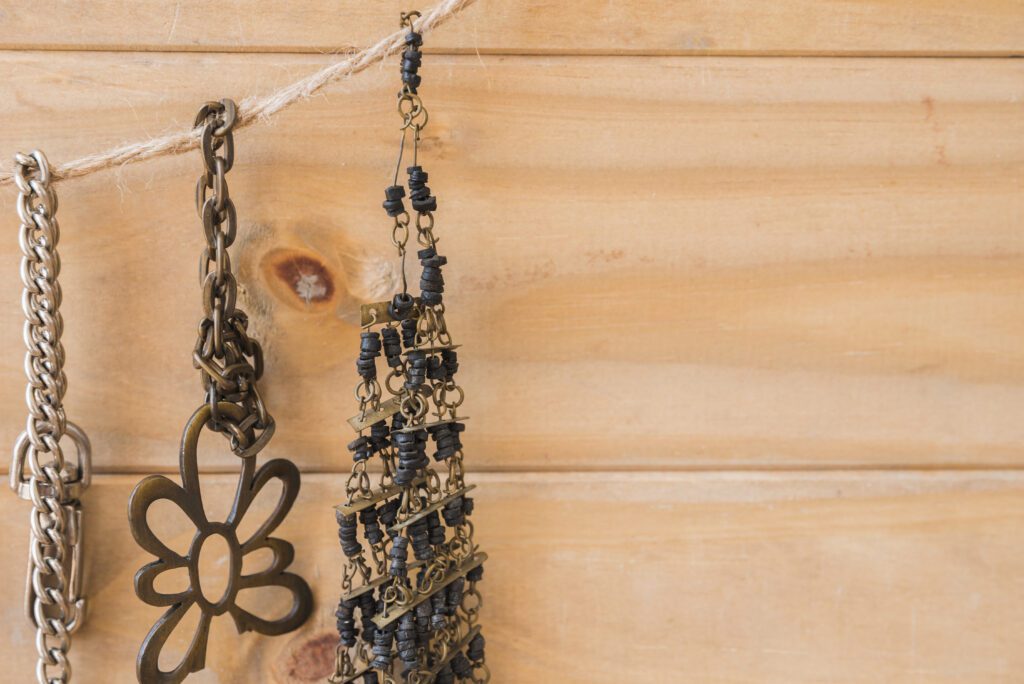
Tools And Materials For Making Rope Tassels:
The majority of tassels start with rope or cord, and each kind of rope adds a unique feel and texture. Cotton rope has a clean, rustic appearance that matches contemporary hippy decor because it is natural and gentle. The earthy, coarser texture of jute and hemp is ideal for indoor farmhouse or coastal settings. Smooth and colorful synthetic cords, including those made of nylon or polyester, enable a more elegant or bright look. The final appearance of the tassel is also significantly influenced by the thickness of the rope. While thinner cords produce delicate and intricate tassels that are perfect for jewelry or bag charms, thicker ropes produce bold, complete tassels.
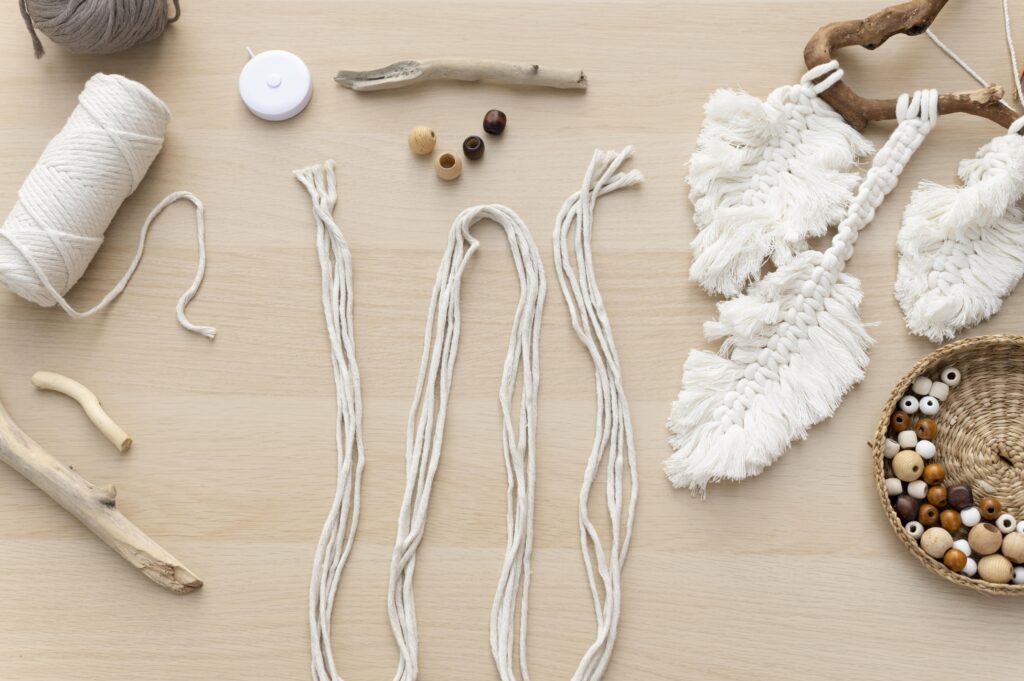
While different types of rope are useful for different applications, the following typical equipment are needed to make tassels:
- Rope or cord of your choice
- Sharp scissors
- A small comb or brush
- Thread or twine for wrapping
- Measuring tape
- Optional decorative elements like beads or rings
Your tassel making procedure starts with these materials You may create neat finishes and crisp lines by paying attention to quality particularly when it comes to scissors and rope Even though they are basic each tool is essential to making your tassels appear expertly made.
Step-by-Step Guide to Making Rope Tassels:
Once you know how to do it, making tassels is easy. Although there are a number of techniques, this one is suitable for beginners:
- Cut the Rope: Keep in mind that the folded rope and wrapped neck may actually shorten it, so measure the rope to the required tassel length. Tassel lengths typically fall between 4 and 8 inches.
- Fold the Rope: Create a loop at the top by folding the rope in half. The rope ends become the fringed bottom, and the loop serves as the hanging point.
- Wrap the Neck: About one inch from the top of the folded rope, securely wrap a thin piece of twine or thread around it. This forms the neck of the tassel. Securely knot the thread. For a finished look, make sure the wrap is tidy.
- Trim and Fluff: Trim the ends of the rope to a uniform length. To make the tassel appear softer and fuller, separate the fibers using a brush or comb.
- Add Decorative Touches: You can include charms, rings, or beads into the wrap or thread them through the top loop. Your tassel’s aesthetic appeal and adaptability are enhanced by personalization.
Creative Variations And Techniques To Explore:
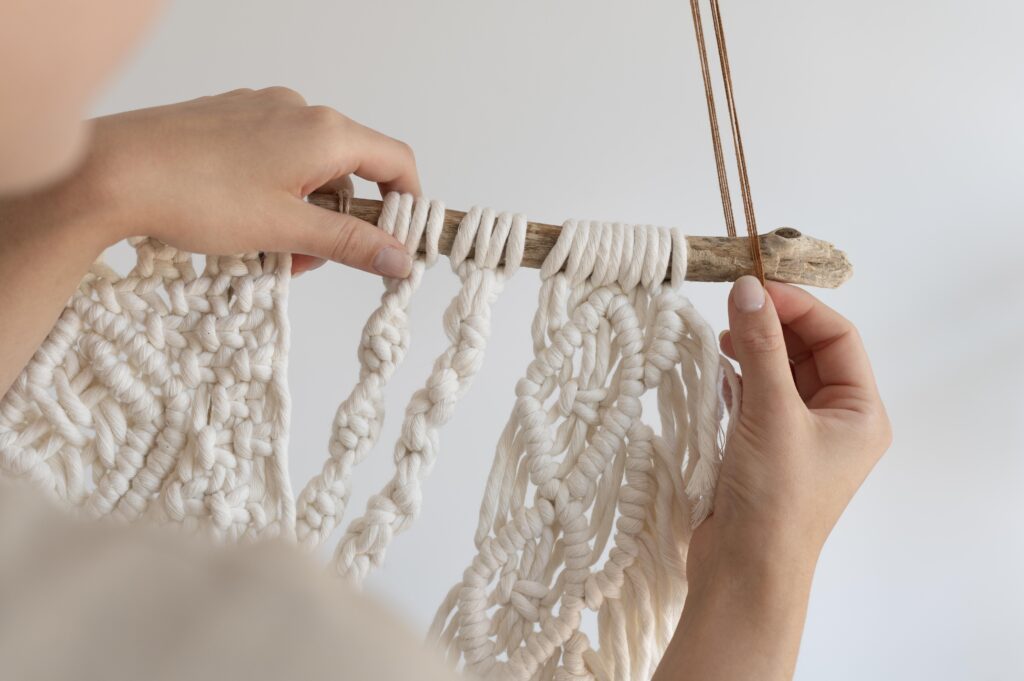
The adaptability of rope tassels is what makes them very beautiful. You can experiment with countless variations once you have mastered the fundamental approach. For instance layered tassels combine strands of various lengths to produce a tiered look. This gives them depth and motion which makes them ideal for striking accessories or wall décor. Before the tassel is even produced, braided tassels add texture. You can make elaborate patterns that appear refined and creative by braiding lengths of rope before folding.
Another interesting approach is color experimentation You can add metallic elements for a glamorous appearance use multiple colored ropes for a whimsical mood or dip dye natural cotton cords for gentle ombre patterns Combining different materials such cotton and jute or adding leather strips, produces distinctive contrasts that give your tassels a handmade appearance. The craft is always inspiring because each version adds its own flavor.
How Rope Tassels Can Transform Home Decor:
Tassels may improve home décor with little effort, which is one of the reasons they are still so popular. Warmth and texture can be added with a straightforward rope tassel fastened to a cushion’s corner. Natural light and fabric drape are enhanced by the gentle, flowing movement created by tassels on drapes or tiebacks. Even in minimalist settings, tassel-design wall hangings give dimension and visual appeal. Seasonal décor is further enhanced by tassels. Rustic tassel ornaments make lovely complements to Christmas décor, and a festive garland with rope tassels will brighten any occasion. Soft cotton tassels are frequently used on wall hangings, mobiles, and blankets in nurseries, adding a touch of whimsy to the space.
Fashion And Lifestyle Uses Of Rope Tassels:
Rope tassels have become popular in fashion and lifestyle accessories in addition to home décor. A wide rope tassel dangling from the zipper or strap instantly elevates a basic purse. Smaller cord tassels are frequently used by jewelry designers to make necklaces, bracelets, and earrings. Tassels can be added to belts, scarves, espadrilles, and even hair accessories. Tassels are perfect for wearable art because of their delicate movement and lightweight design. Fashion lovers value the way tassels bring character and flair without overtaking the entire appearance. They can be modest and neutral or flamboyant and colorful, accommodating a wide range of individual styles.
Creative Applications For Rope Tassels:
Rope tassels are highly versatile Here are some ways to use them:
- Home decor: To add texture and appeal, add tassels to wall hangings, bedspreads, curtains, and pillows. Tassel-adorned macramé wall hangings are especially fashionable.
- Fashion Accessories: Handbags, belts, shoes, and jewelry can all be embellished with rope tassels. They transform everyday items into eye catching pieces.
- Present Wrapping: For a unique, handmade touch, add tassels as decorative accents to present boxes or bags.
- Gatherings And Celebrations: Tassels add style and fun to gatherings, making them ideal for festive garlands, wedding decor, and party decor.
Tips For Perfect Tassels:
- Consistency: Take precise measurements of ropes to guarantee that tassels are all the same size and shape.
- Try Different Thicknesses: Depending on the intended visual impact, change the thickness of the rope.
- Secure the Ends: To stop fraying and unwinding, use tight wraps and a tiny bit of adhesive.
- Use Templates: A cardboard template guarantees uniform lengths for several tassels.
- Mix & Match: For imaginative, one-of-a-kind tassels, don’t be afraid to mix textures, colors, and materials.
Common Mistakes And How To Avoid Them:
Even simple DIY projects can encounter pitfalls. Common mistakes include:
- Uneven Fringe: Carefully trim and comb the fibers of the rope.
- Wraps around the neck should be tight to avoid unraveling.
- Frayed Ends: This can be avoided with high-quality rope or a little adhesive.
- Material Incompatibility: Prior to final construction, test decorative parts and beads with your rope.
Summary:
For any DIY enthusiast mastering rope tassels is a fulfilling experience. You can make decorative pieces for gifts, fashion accessories, home décor, and even commercial products with this adaptable technique. The process rewards you with lovely, useful products by promoting creativity, patience, and attention to detail. Your tassels can turn commonplace objects into remarkable pieces of art by experimenting with textures, colors, layering, and materials. By fusing ancient methods with contemporary design, rope artistry demonstrates how something as basic as a rope can be transformed into an enthralling work of art.
FAQs:
Can synthetic ropes be used for tassels?
Indeed, synthetic ropes made of nylon or polyester are appropriate and long-lasting, but they might not be as supple as those made of natural fibers.
How do I prevent tassels from fraying?
Tightly wrap the neck and, if desired, use a tiny bit of glue. Combining the ends is also beneficial.
What size tassels are ideal for home décor?
Four to eight inch tassels are ideal for wall hangings, curtains and cushions.
Can tassels be washed?
Synthetic ropes are best spot cleaned; natural fiber tassels can be gently hand washed.
Read More Aricles https://trendythreads.net/whats-new-at-michaels-trending-craft-decor-ideas-for-2025/