
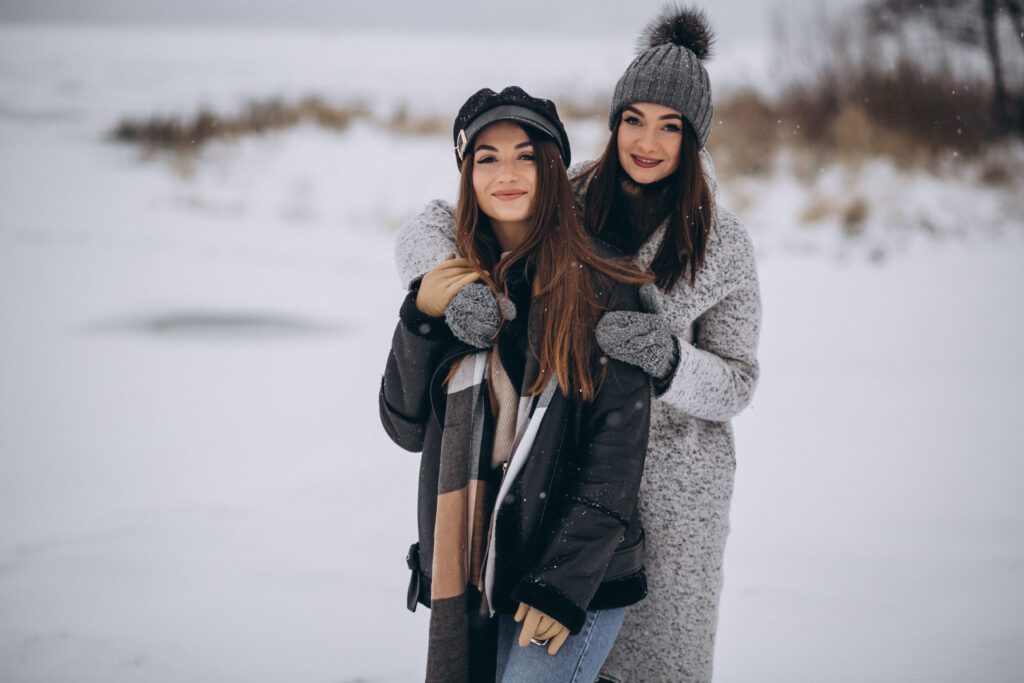
A winter outfit is a carefully chosen set of clothes, accessories, and shoes intended to keep a person warm while also remaining stylish during the chilly months. Unlike summer or spring attire, winter outfits must provide protection against low temperatures, wind, and occasionally snow, without sacrificing style. Therefore, winter outfits combine practicality and fashion seamlessly. They can range from casual streetwear to formal business attire, and from unique statement outerwear to thermal layering. As a result, winter is one of the most inventive and multi-layered seasons for wardrobe planning, because every item in an ensemble contributes to comfort, warmth, and visual appeal.
Inspiration For Outfits:
Winter clothing lives on uniqueness and innovation Ankle boots, skinny jeans an oversized scarf, and a thick knit sweater combine to create a comfortable yet stylish casual ensemble Tailored pants a turtleneck, and a camel wool coat with heeled boots for refinement are examples of workplace attire An oversized cardigan, leggings and knee-high boots might be worn for the weekend to provide comfort without sacrificing flair Faux fur coats over midi dresses or skirts with bold boots can create a striking effect for evening or celebratory events Each winter ensemble strikes the ideal balance between warmth practicality and style by carefully blending layers textures colors and accessories.
Colors And Patterns In Winter:
Neutral colors, including black, grey, cream, beige, and brown, are often used as the foundation for winter ensembles, because they provide adaptable bases for layering. In contrast, popular accent colors such as deep jewel tones emerald green, burgundy, navy, and plum add depth and vitality to the season’s wardrobe. Additionally, coats, scarves, and pants frequently feature patterns like plaid, houndstooth, checks, and subtle animal prints. By combining neutral tones with vibrant colors or patterned pieces, you can create visually striking ensembles that are both fashionable and seasonal. Ultimately, understanding seasonal color trends helps in assembling cohesive and stylish winter outfits.
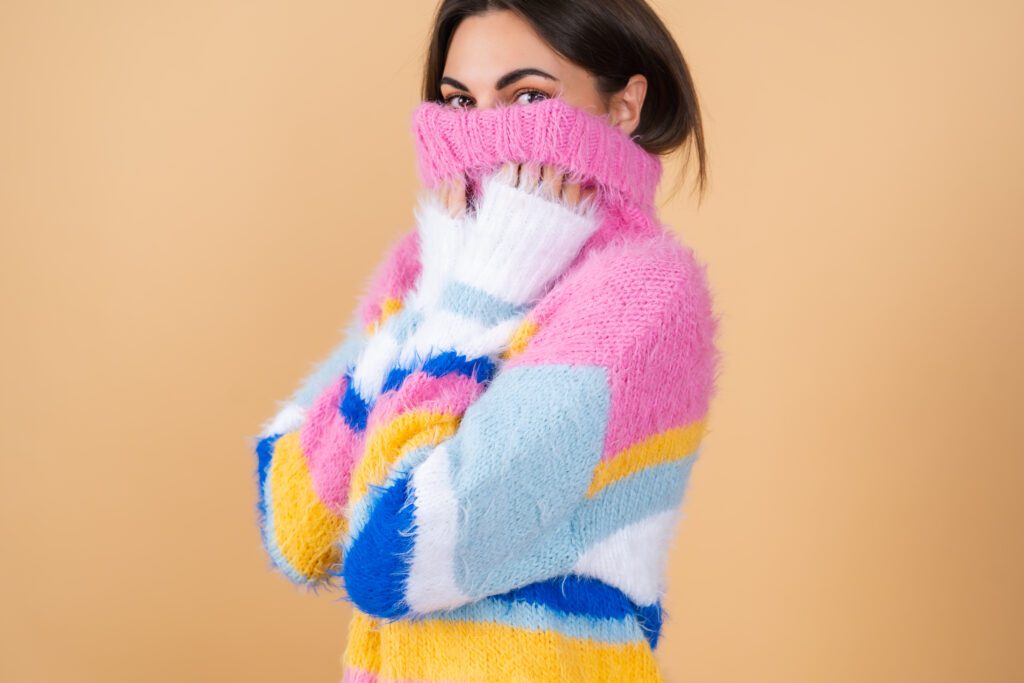
Base Layers The Foundation Of Warmth:
Because it directly affects insulation and comfort, the base layer is the most important part of a winter ensemble. For example, thermal tops, long-sleeve shirts, leggings, or tights made of fine wool, cotton blends, or synthetic materials designed to retain heat are typical choices. Ideally, base layers should be lightweight yet capable of keeping warmth trapped without adding bulk. Consequently, this layer maximizes overall warmth while allowing other garments, such as jackets, coats, and sweaters, to sit securely on top. Therefore, choosing premium base layers is essential for a winter ensemble, as they guarantee comfort, flexibility, and long-lasting insulation—even on bitterly cold days.

Mid Layers Adding Style And Insulation:
Mid layers greatly enhance the overall appearance of a winter ensemble and offer extra warmth Chunky knit sweaters cardigans hoodies and fleece jackets are typical mid layer choices You can combine different textures colors and patterns in this layer to give the ensemble more visual appeal For instance a cut sweater over a fitting foundation can appear polished and businesslike but a thick cable knit sweater over a thermal base layer produces a warm relaxed atmosphere The middle layer offers versatility for both indoor and outdoor settings bridging the gap between practical warmth and flair Selecting adaptable mid layer pieces guarantees that your ensemble will remain fashionable and comfortable in a variety of contexts.
Master The Art Of Layering:
Layering is the secret to a stylish and functional winter wardrobe:
- Start with a thin base layer: relaxed fitting long sleeves, and thermal shirts trap heat without adding bulk.
- Add a mid layer: Fleece coats, cardigans, and sweaters offer texture and insulation. To add visual appeal to your ensemble, combine textures or patterns.
- Wool coats, puffers or faux fur jackets complement the ensemble and offer wind and cold protection. Finish with a statement coat.
- Expert advice: Use a variety of lengths. Your ensemble gains depth and dimension when you wear a long coat over a shorter sweater.
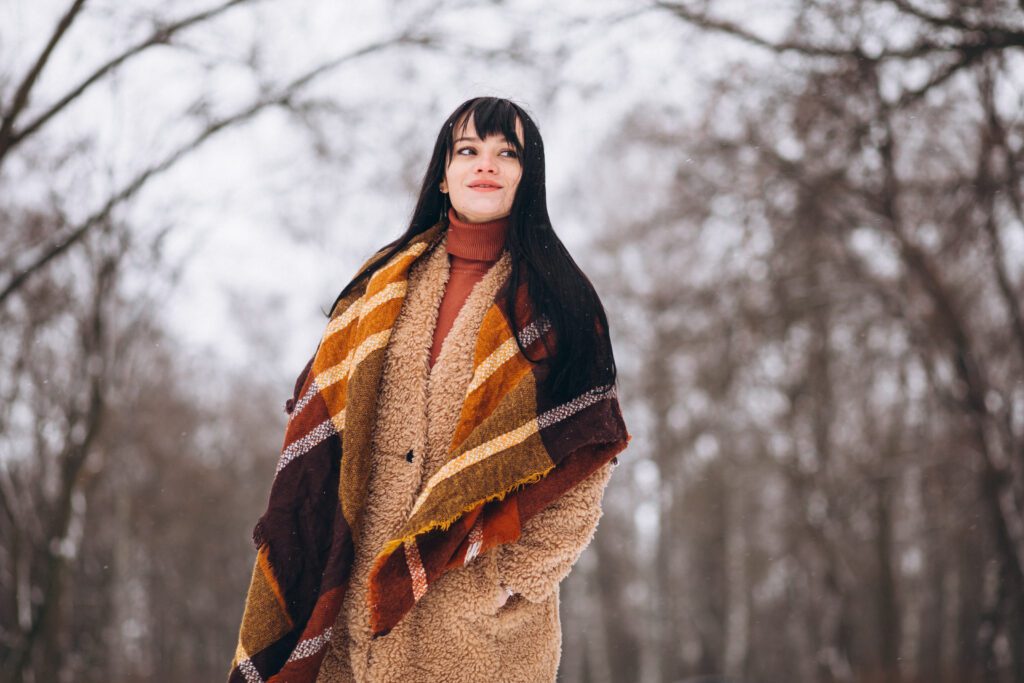
Outerwear The Statement Of A Winter Outfits:
Since outerwear is the most noticeable and instantly striking item it is frequently the focal point of a winter ensemble. Important components are wool coats puffer jackets winter coats and teddy or faux fur coats Neutral wool coats such as camel black or grey radiate elegance and are ideal for formal or work environments Large puffer jackets are fashionable and useful perfect for sports or casual ensembles Teddy jackets or faux fur add a dramatic and opulent touch that elevates even basic ensembles A well chosen coat is an investment piece for any wardrobe since it not only offers warmth and protection from bad weather but also defines the overall look of the winter ensemble.
Play With Proportions:
Winter clothing tends to be bulkier, so balancing proportions is essential:
- To keep your figure attractive wear slim pants or leggings with big coats or sweaters.
- To prevent appearing shapeless wide leg pants or palazzo pants go best with fitting tops or tucked in sweaters.
- To define your figure layered outfits should include at least one piece that cinches the waist such as a belt.
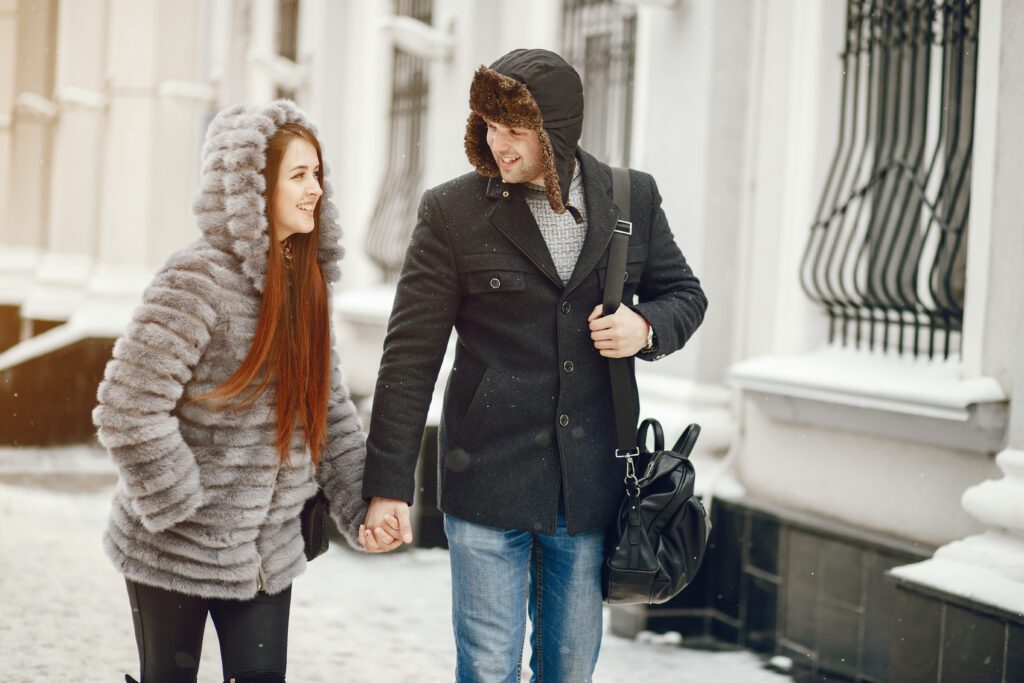
Footwear Function Meets Fashion:
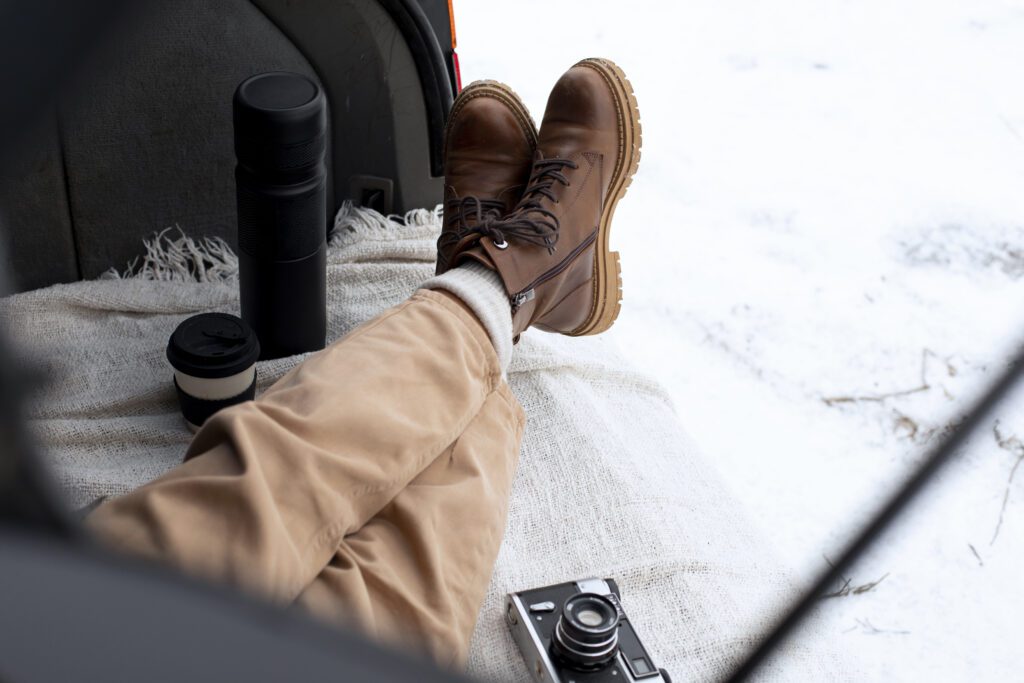
Any winter ensemble must include proper footwear since it not only needs to be fashionable but also provide protection from the cold, snow, and rain For instance, ankle boots go excellent with skirts, jeans, and pants because they are so versatile Meanwhile, elegant knee high boots pair beautifully with dresses and long sweaters, adding a touch of sophistication. In addition insulated snow boots made of waterproof materials are crucial in snowy or damp circumstances Moreover, when paired with boots for extra warmth, socks—especially wool or thermal socks—are both practical and a discreet fashion accessory Ultimately selecting appropriate shoes guarantees that the ensemble will stay functional while maintaining its overall stylish appearance.
Footwear Tips:
- Ankle boots go well with jeans skirts or pants and are ideal for daily wear.
- Knee high boots Stylish when worn with dresses or long sweaters they visually lengthen the legs.
- Snow boots are necessary in icy or rainy weather choose waterproof and insulated models.
Accessories Completing The Winter Outfits:
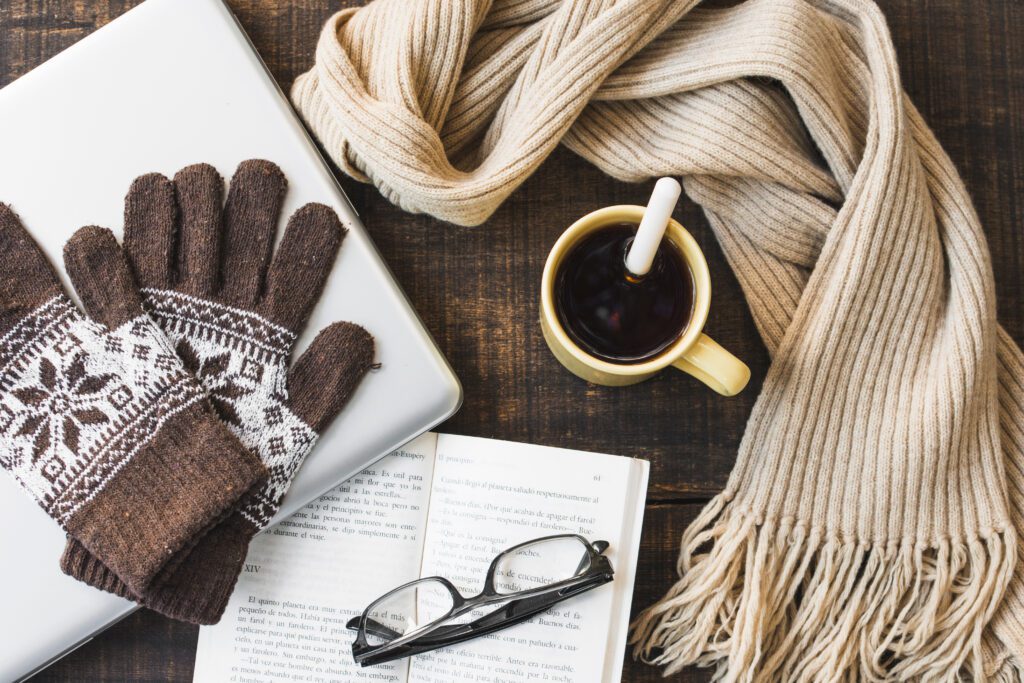
Accessories not only increase warmth but also give a winter ensemble its final touches. Among these, the most popular winter accessories include belts, gloves, hats, and scarves. For example, wool or cashmere oversized scarves provide both color and texture, making them fashionable while being practical. Similarly, felt hats, beanies, and berets enhance personal style and offer protection from the cold. In addition, whether they are knit or leather, gloves serve a practical purpose and contribute to a polished overall look. Furthermore, statement jewelry, purses, and layered belts can define a silhouette, ultimately giving winter ensembles a sense of completion, purpose, and style.
Accessorize Strategically:
Accessories add style and practicality:
- Scarves: Large scarves serve as both a statement piece and an additional source of warmth. Try draping them asymmetrically or in a creative way.
- Hats: Fedoras, berets, and beanies not only shield your head but also quickly improve your appearance.
- Mittens and gloves: Knit mittens are comfortable, while leather gloves have a sophisticated appearance.
- Belts: Define your waist and give large coats or sweaters shape.
Experiment With Fabrics And Textures:
Winter fashion is all about texture contrasts:
- Pair a chunky knit sweater with a sleek leather jacket for edgy sophistication.
- Velvet skirts with wool coats add richness to the outfit.
- Corduroy pants or textured trousers give casual outfits a stylish upgrade.
Practical Tricks For Everyday Wear:
- Rotate outfits: To prevent boring looks mix and match coats sweaters, and bottoms.
- Maintain a color scheme: To make layering easier stick to three or four primary colors each ensemble.
- Invest in multipurpose items: Black boots and a neutral coat go well with nearly anything.
- Weather proof materials: In areas with snow or rain choose insulated jackets or water resistant coats.
Summary:
Warmth, comfort, and style are all key components of winter clothing. For instance, oversized wool coats, chunky knit sweaters, puffer jackets, fitted jeans, wide-leg pants, sweater dresses, and statement boots are essential pieces. To achieve both warmth and style, it’s crucial to layer: begin with a thermal base, add a mid-layer such as a cardigan or sweater, and then finish with a fashionable coat. Additionally, scarves, hats, gloves, and belts serve as accessories that enhance both warmth and style. Moreover, versatility is ensured by combining flashes of jewel colors with various textures, patterns, and neutral hues. As a result, you can create office, evening, and casual ensembles that remain fashionable and practical for the next six months.
FAQs:
What is the most versatile winter coat?
A wool coat in a neutral color is classic and goes well with nearly any ensemble, making it suitable for a variety of settings.
How can I layer without looking bulky?
Use belts to define your waist, tuck in garments where you can, and balance big items with fitted layers underneath.
Are sweater dresses suitable for winter?
Yes For warmth and style use them with leggings or tights knee high boots and a winter coat.
Which footwear works best for winter?
Knee high boots are stylish ankle boots are adaptable and insulated snow boots are perfect for damp or snowy weather.
How can I make neutral winter outfits more stylish?
Layer interesting materials like leather wool and knitwear combine textures and add accessories with patterns or splashes of color.
Read More Related Articles https://trendythreads.net/upcoming-autumn-winter-fashion-trends-2025/


