Air-dry clay is one of the most versatile, creative, and beginner-friendly crafting materials available today. Unlike ceramic clay, which requires a kiln, or polymer clay, which must be baked, air-dry clay hardens naturally at room temperature. This allows anyone to start creating immediately without expensive tools or complicated processes. For those looking for simple and enjoyable clay crafts at home—or just starting out—this medium is ideal. Air-dry clay combines convenience, adaptability, and satisfaction, whether you want to make DIY clay jewelry, design home decor, or craft beginner-friendly figurines. One of its most appealing features is that mistakes are easy to fix: you can reshape, smooth, or combine parts without worrying about wasting material or ruining your creation.
Why Air Dry Clay Is Perfect For Beginners:
Thanks to its ease of use and versatility, air-dry clay is the ideal material for beginners. Unlike other types of clay that require kilns, special knowledge, or careful temperature control, air-dry clay hardens naturally at room temperature. This allows beginners to focus on their designs rather than technical details. If you make a mistake, you can easily fix it by adding a little water, filling gaps, or reshaping the piece. Its forgiving nature means you can create impressive results without wasting materials or feeling frustrated, even if you’re new to clay crafting.
Simple Air Dry Clay Projects For Beginners:
Here are some beginner friendly clay projects that are easy enjoyable and impossible to fail:
Clay Bowls And Pots:
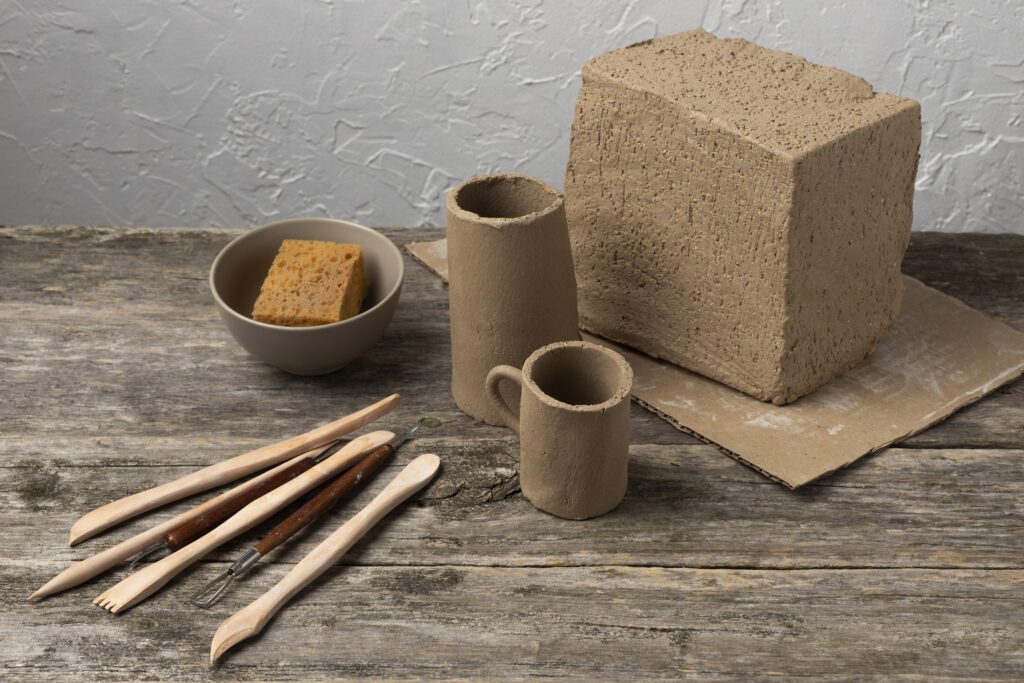
Making clay pots and bowls is a great place to start. Roll the clay into a smooth ball, then press your thumb into the center and shape the sides with your fingers. You can add patterns or textures using stamps, leaves, or even coins. Once dry, paint the bowls with pastels or bright colors. These handmade bowls are not only functional and visually appealing but also make thoughtful, personalized gifts.
Mini Clay Figurines:
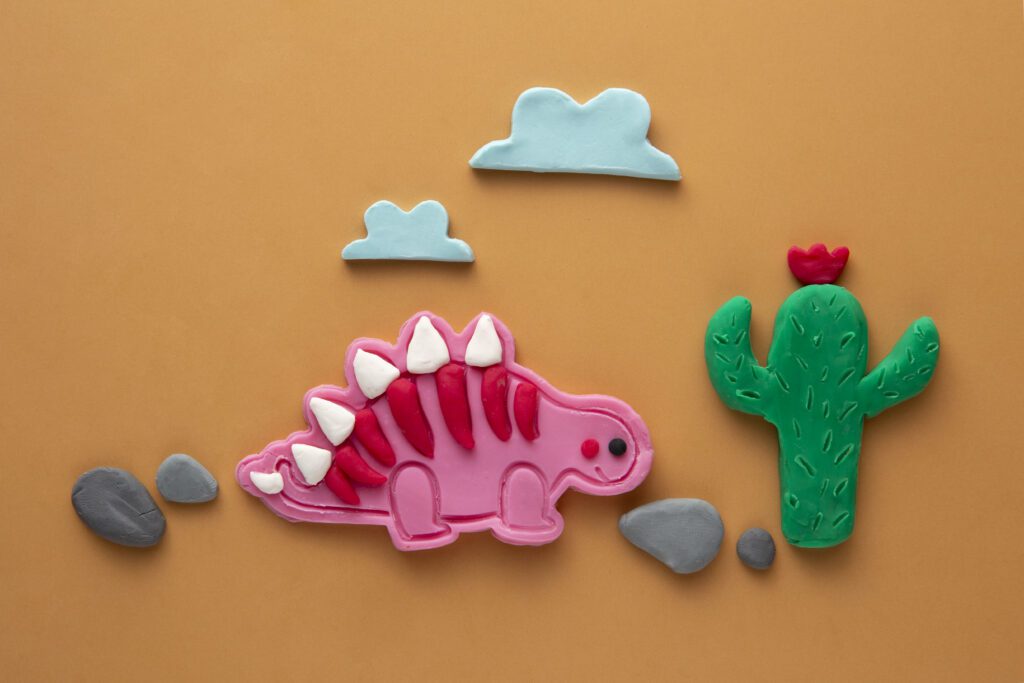
Beginners who like to try sculpting little patterns will love miniature figures. Begin with basic animals abstract shapes hearts or mushrooms. To add details utilize everyday objects like straws forks and toothpicks. After drying, painting these miniatures gives them character and charm. These tasks are tiny manageable and can be finished in a few hours which makes them enjoyable for beginners.
Air Dry Clay Ornaments:
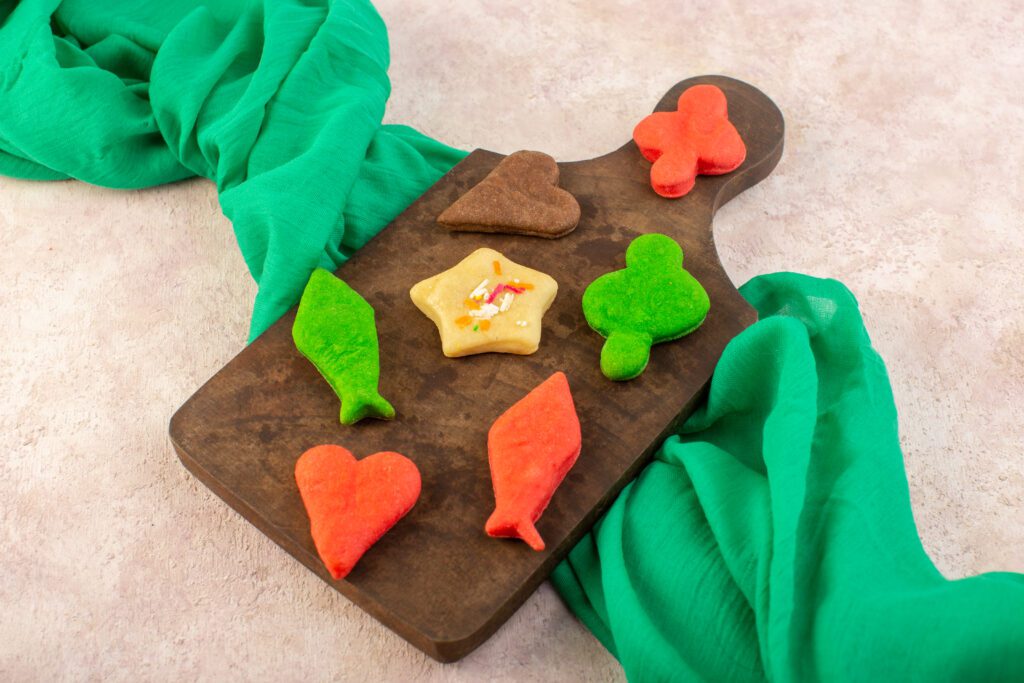
Making ornaments is enjoyable and they look great as personalized presents or as holiday decor. Use freehand shapes like snowflakes hearts or stars or use cookie cutters. Use natural materials like leaves lace or stamps to provide texture. Once dried apply paint or varnish. An excellent method to explore beginning clay crafts while producing something lovely and useful is through ornaments.
Clay Jewelry DIY:
Combining creativity with practicality is enjoyable while creating pendants earrings and beads. As they learn to make wearable art, beginners can play around with shapes, colors and materials. Small and forgiving, clay jewelry crafts are perfect for novice crafters.
Clay Magnets:
For novices making magnets is a simple and useful hobby. Add a magnet to the back paint flatten a little and sculpt small flowers, animals or abstract patterns. Without devoting hours to intricate masterpieces these small projects offer an enjoyable opportunity to experiment with texture and color.
Clay Ideas For Kids:
For kids, air dry clay is ideal. Simple flowers, abstract shapes and little creatures are safe and enjoyable projects. Children can customize their creations by painting them after they have dried. These exercises foster creativity patience and fine motor skills. Making enjoyable clay projects at home fosters creativity and a sense of achievement making crafting enjoyable for both novices and children.
Quick No Fail Clay Techniques:
Even beginners can achieve professional looking results by following these easy clay techniques:
- Keep Clay Moist: Cover unused clay with plastic wrap or store it in airtight containers to prevent drying Moist clay is easier to shape and manipulate.
- Smooth Surfaces: Use a small amount of water on your fingers to smooth rough edges or cracks This helps create a clean polished finish.
- Start with Simple Shapes: Circles, triangles and rectangles can be combined to create more complex designs Beginners often underestimate how effective layering simple shapes can be.
- Layer for Dimension: Stack shapes to add depth and interest For instance stacking circles to form flowers or combining triangles for geometric art adds sophistication without advanced skills.
- Creatively Add Texture: Common household items like toothpicks, forks, and stamps can be used to generate patterns that give artwork visual interest Trying with different textures encourages creativity and helps novices create outcomes that seem professional.
- Add Texture Creatively: Household tools like forks, toothpicks, and stamps can create patterns that make pieces visually interesting. Experimenting with texture boosts creativity and helps beginners produce professional-looking results.
Exploring Different Shapes And Forms:
Trying out different forms and shapes is one of the most fascinating parts of working with air dry clay. Simple geometric shapes like triangles, squares and circles are frequently used by beginners but as their confidence increases these shapes can be combined to create more complex and dynamic designs. For instance you can create layered flowers by stacking circles and you can create contemporary geometric decorations with triangles and rectangles. Due of the forgiving nature of Air Dry Clay novices can modify and reconfigure their ideas until they get the desired effect. It is the perfect medium for those learning about three dimensional art’s dimensions balance and spatial organization because of its flexibility.
Adding Color To Your Creations:
Painting and coloring your completed pieces is one of the most satisfying aspects of working with air dry clay. Even basic color combinations can significantly improve the appearance of clay sculptures despite the fact that beginners frequently find painting intimidating. The finest paints are acrylics because they dry rapidly produce vivid colors and stick to dried clay effectively. You can use sponges to add texture brushes to fill in details or even ombre and marbled effects which involve combining colors directly into the clay. After painting think about using a clear varnish or sealant to give your work a polished appearance and a slight sheen. Additionally experimenting with color enables novices to incorporate their individuality and inventiveness into their efforts resulting in very unique pieces.
Making Functional Clay Items:
Air dried clay is useful in addition to being aesthetically pleasing. Even beginners may make attractive and useful everyday objects. Simple crafts like bowls, candlesticks, pen holder and little trays are ideal for teaching the fundamentals of shaping and finishing while creating useful household objects. Beginners are also encouraged to consider durability balance and proportion critically through functional products. For instance designing a pen holder necessitates considering thickness height and stability whereas making a bowl demands making sure the walls are level and sturdy enough to support little things These helpful projects provide novices a sense of success and utility while also helping them develop skills that go beyond adornment.
Clay Projects For Gifts And Personalization:
A great option for novices to hone their skills and create meaningful objects for loved ones is to use air dry clay to create unique gifts. Because they are small simple to make and customizable personalized keychains name tags little figurines and ornaments make great starter projects. A basic clay sculpture can be made into a considerate and unforgettable gift by adding initials patterns or preferred colors. Additionally personalized clay gifts provide novices the chance to freely experiment with design components like colo texture and layering. These projects are particularly fulfilling since the finished result combines sentimental significance with creative work making air dry clay a flexible medium for thoughtful gifting as well as self expression.
Combining Clay With Other Materials:
Once novices are comfortable with basic air-dry clay techniques, they can increase creative possibilities by combining clay with other materials. Artists can embed or attach components like wire, cloth, beads, and small wood pieces to clay to create mixed media works. For example, they can use clay beads with string or thread to make ornamental garlands, bracelets, and necklaces. They can shape wire to support or move small figurines, and add metal or wood accents to give clay wall art more dimension and texture. Combining materials encourages experimentation and creativity, helping novices think imaginatively about design composition and the relationship between different artistic disciplines.
Maintaining And Caring For Air Dry Clay Projects:
Maintaining the beauty and durability of your air-dry clay creations requires proper care. Beginners should avoid direct sunlight and high humidity, which can cause cracking, and allow pieces to dry slowly and evenly at room temperature. To preserve color and protect the surface, seal painted objects with a clear varnish once they are fully dry. Store unfinished clay in airtight containers or wrap it securely in plastic to prevent it from drying out. Understanding these maintenance basics not only extends the lifespan of your projects but also helps novices gain confidence in handling their work. Following these steps ensures that even simple creations look polished, professional, and long lasting.
Summary:
Air-dry clay is one of the easiest and most versatile crafting materials for beginners, letting anyone create beautiful projects without special tools or ovens. Its forgiving nature makes it ideal for experimenting with shapes, textures, and colors, while mistakes can be easily reshaped or smoothed. Beginners can craft a wide variety of projects, including bowls, miniature figurines, ornaments, keychains, beads, and clay jewelry—all fun and satisfying to complete. Simple techniques like keeping clay moist, layering shapes, and adding texture help achieve professional-looking results. Air-dry clay is safe, non-toxic, and perfect for kids, making it great for family crafting sessions. You can also create functional items such as pen holders, small trays, and decorative bowls, though sealing may be needed for durability. Personalized gifts, mixed-media projects, and painted designs open endless creative possibilities, encouraging skill development and artistic expression.
FAQs:
Q1: How long does air dry clay take to harden?
A: The drying time for air-dry clay is usually 24 to 48 hours, depending on the thickness, humidity, and ventilation in your workplace. It could take a few days for thicker parts to fully dry.
Q2: Can air dry clay be painted?
A: Yes, properly dried clay is the ideal surface for acrylic paints. For lighter effects, you can also use watercolor washes or markers; sealing your completed project with varnish or clear lacquer will preserve it.
Q3: Is air dry clay safe for children?
A: Of course! The majority of air-dry clays are non-toxic and suitable for kids under adult supervision. Make sure children do not consume the clay, and always refer to the box for age recommendations.
Read More Articles https://trendythreads.net/warm-decor-ideas-that-make-your-home-feel-cozy-in-winter/