
Living room has always been more than just a room in the house. It is where everyday living takes place, families bond, visitors congregate, and peaceful moments of relaxation are relished. By 2026 the living room’s significance has grown even further. It is now a key space that promotes comfort emotional health adaptability and self expression rather than just being aesthetically pleasing or occasionally used. The appearance and feel of living rooms have changed due to modern lives the culture of distant work and an increasing need for honesty and peace.
Living Room Trends 2026 show a move toward deliberate, warmth and softness. Comfort is now regarded as the cornerstone of excellent design rather than as a secondary advantage. In contrast, style has changed to become more subdued, reflective, and significant. Without compromising beauty or refinement, the goal of this new era of living room design is to create areas that seem intensely personal, healing and lived in.
Comfort As The Core Of Living Room Trends In 2026:
In 2026, comfort depends on how effectively a living room supports daily life rather than on luxury alone. Designers choose furniture and layouts that encourage ease, movement, and relaxation instead of rigid, formal arrangements. The idea of comfort now includes emotional well-being, as living rooms provide a sense of security, grounding, and calm after long days filled with digital noise and external stress. Designers intentionally reduce sensory overload and visual clutter to create soothing environments. Natural materials, warmer color palettes, and softer lighting work together to help people slow down and unwind. Flexible furniture, relaxed seating, and layouts that support both social interaction and quiet retreat define true comfort in modern living rooms.
Furniture That Embraces Softness And Relaxation:
In 2026, furniture invites interaction rather than simply admiration. Deeper, generously designed sofas encourage people to stretch out, curl up, and unwind for longer periods. Living rooms now feature relaxed upholstery, plush cushions, and designs that prioritize ergonomics and softness instead of upright, rigid seating. Modular furniture continues to grow in popularity because it allows homeowners to adapt their spaces as needed. Sectionals expand for gatherings or shift into more intimate arrangements for everyday use. Wider, lower chairs create a grounded, relaxed atmosphere, with furniture designed to support daily living while maintaining comfort without appearing bulky or overpowering.
Curved And Organic Shapes Redefine Visual Comfort:
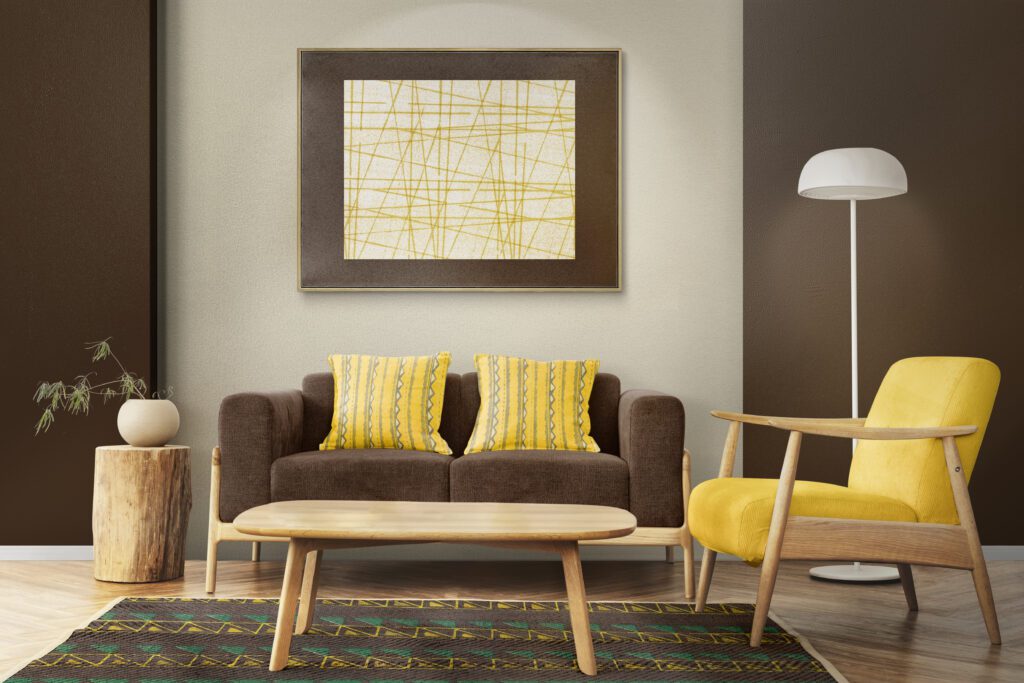
The extensive use of curved and organic curves is one of the most distinctive features of Living Room 2026 design. Rounded shapes that feel softer and more welcoming are progressively replacing sharp edges and inflexible lines. The room has a sense of movement and harmony thanks to circular armchairs oval coffee tables arching shelving and curved sofas.
These shapes have an emotional effect in addition to being aesthetically beautiful. Additionally by balancing contemporary architectural aspects organic forms keep rooms from feeling chilly or unduly minimalist. In 2026 curves infuse the center of the house with movement warmth and emotional comfort.
Warm And Grounded Color Palettes Lead The Way:
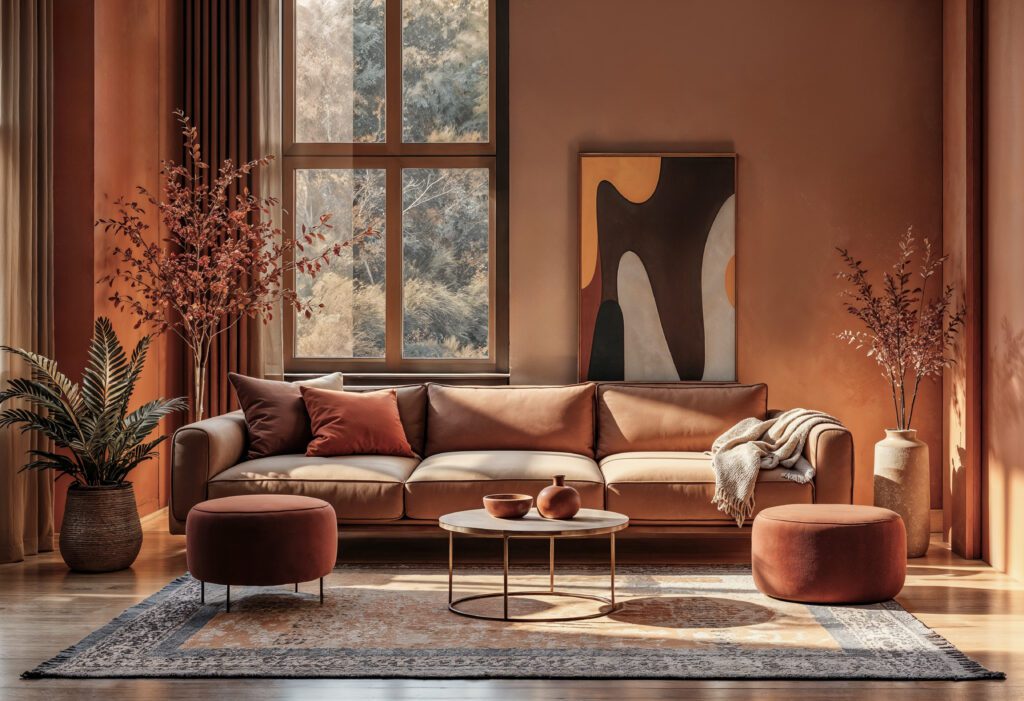
Living room color trends in 2026 draw strong inspiration from coziness and the natural world. Earthy neutrals replace cool greys and stark whites, creating spaces that feel timeless and soothing. Warm beige, soft taupe, sand, clay, and mushroom dominate walls, large furniture pieces, and carpets, forming a calming foundation for the entire room. Designers choose these neutral hues for their versatility and their ability to reflect natural light gently, creating warmth without feeling dark or overwhelming. Beyond promoting visual harmony, warm neutrals allow other design elements such as texture and form to take center stage, enhancing the overall depth and character of the living room.
Natural Materials Add Warmth And Authenticity:
Living rooms in 2026 rely on materials that connect strongly to the natural world. Designers frequently use natural wood, stone, linen, wool, jute, and ceramic for both their sensory qualities and visual appeal. These materials bring warmth, texture, and authenticity into the space, creating an environment that feels grounded and genuine.
Designers use wood in architectural details, furniture, and shelving, often leaving it unfinished or minimally treated to highlight its natural grain and character. Soft textiles balance the visual weight and stability of stone and ceramic elements, adding warmth and comfort to the space. This thoughtful combination creates a living room that feels timeless, organic, and emotionally grounding.
Texture As A Key Element Of Comfort And Style:
In 2026, texture plays an essential role in living rooms by adding warmth, depth, and tactile richness that makes spaces feel cozy and intimate. Designers layer materials such as ribbed wood or stone surfaces, linen curtains, wool throws, and bouclé sofas to create contrast and visual dimension. Even the smallest details—like handcrafted ceramics, textured rugs, or woven baskets enhance the sensory experience and give the room a lived-in rather than staged feel. This mix of hard and soft textures balances comfort with style, making the space both visually appealing and physically inviting. By emphasizing texture, living rooms achieve a level of sophistication that feels approachable and deeply human, proving that true style resonates as much through touch as through sight.
Flexible Layouts For Modern Multifunctionality:
More than ever living rooms serve a variety of purposes. With subtle zoning produced by rugs, furniture placement, lighting, and shelves, layouts are becoming more adaptive and versatile. This improves utility while preserving openness and unity by enabling one living room to serve as several areas without the need for actual walls.
Rather than focusing solely on television viewing, designers arrange seating to encourage interaction and conversation. Homeowners use sectionals, chairs, ottomans, and movable furniture to create intimate corners or accommodate larger gatherings as needed. This flexibility reflects the demands of modern lifestyles, where living rooms must support a variety of activities throughout the day. Through adaptable design, the living room becomes a true hub of contemporary living, offering both practical functionality and emotional comfort.
Seamless Technology Integration:
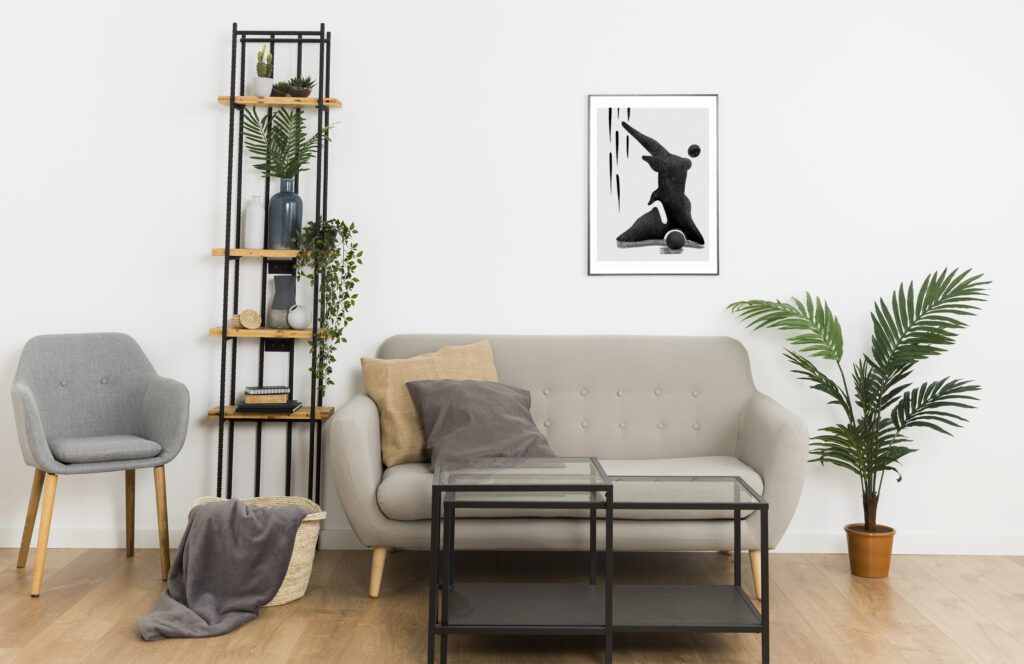
Technology remains an essential part of living rooms in 2026, but designers intentionally make it blend into the surroundings rather than dominate the space. Smart devices operate quietly in the background, speakers integrate seamlessly into walls or ceilings, and televisions disappear into cabinetry or appear as framed artwork. This approach preserves visual calm while still delivering the convenience and efficiency modern living requires. Wellness-focused technologies such as circadian lighting, sound-absorbing materials, and air purification actively support both physical and mental well-being, while smart lighting systems, climate control, and automated blinds work together to enhance everyday comfort. This thoughtful use of technology reflects a broader shift toward designing living rooms that support real lifestyles, creating spaces that feel intuitive, effortless, and genuinely restorative.
Personalization And Meaningful Styling:
Personalization stands out as the most distinctive feature of Living Room Trends 2026. Homeowners replace generic décor with items that carry personal meaning, allowing spaces to truly reflect the people who live in them. They prioritize artwork, books, family heirlooms, travel mementos, and handcrafted pieces to help the living room tell a story about its residents. The style remains clean and intentional, with every piece chosen for its significance, emotional connection, or everyday usefulness. This approach creates spaces that feel timeless, authentic, and deeply heartfelt. The movement reflects a strong shift toward designing for human experience rather than visual impact alone, turning living rooms into havens of individuality, self-expression, and emotional comfort where style and function coexist naturally.
Summary:
Living Room 2026 exemplifies a deliberate evolution in interior design, where style intertwines with comfort, emotional well-being, and personal expression. Rich textures, multifunctional layouts, curved furniture, warm earthy color schemes, and seamlessly integrated technology work together to create spaces that are both visually striking and deeply supportive of modern living. These living spaces continue to be significant classic and flexible enough to accommodate changing lifestyles thanks to personalization and sustainability. In the modern era, style depends on how a space makes people feel rather than on passing trends.
FAQs:
Q1: What defines living room design in 2026?
A: Living room design in 2026 focuses on comfort, emotional well being, and functionality. Spaces are warmer softer and designed for real daily use rather than formal display. Style is intentional personal and rooted in long term comfort.
Q2: What colors are trending for living rooms in 2026?
A: Leading color trends include warm neutrals like clay taupe sand and beige. These are combined with earthy accents like charcoal, rust and olive green. The color scheme produces ageless, serene, and grounded environments.
Q3: How is comfort redefined in living rooms for 2026?
A: Comfort encompasses both visual and emotional relaxation in addition to luxurious sitting. Everyday life is encouraged by relaxing arrangements soft textures and deep sofas. Creating areas that are calming and stress free is the aim.
Q4: How are living rooms adapting to modern lifestyles in 2026?
A: Living rooms are made to accommodate a variety of daily activities. Spaces for socializing working and unwinding are made possible by flexible arrangements. Rooms can quickly adjust to shifting needs thanks to furniture and zoning.
Q5: Why is personalization important in living room trends 2026?
A: Living spaces with personalized décor feel genuine and significant. Books artwork and sentimental objects are preferred by homeowners. Instead of designing spaces based on trends this method produces timeless spaces.
Read More Related Articles https://trendythreads.net/top-shabby-chic-decorating-ideas-for-every-room-in-2026/


