
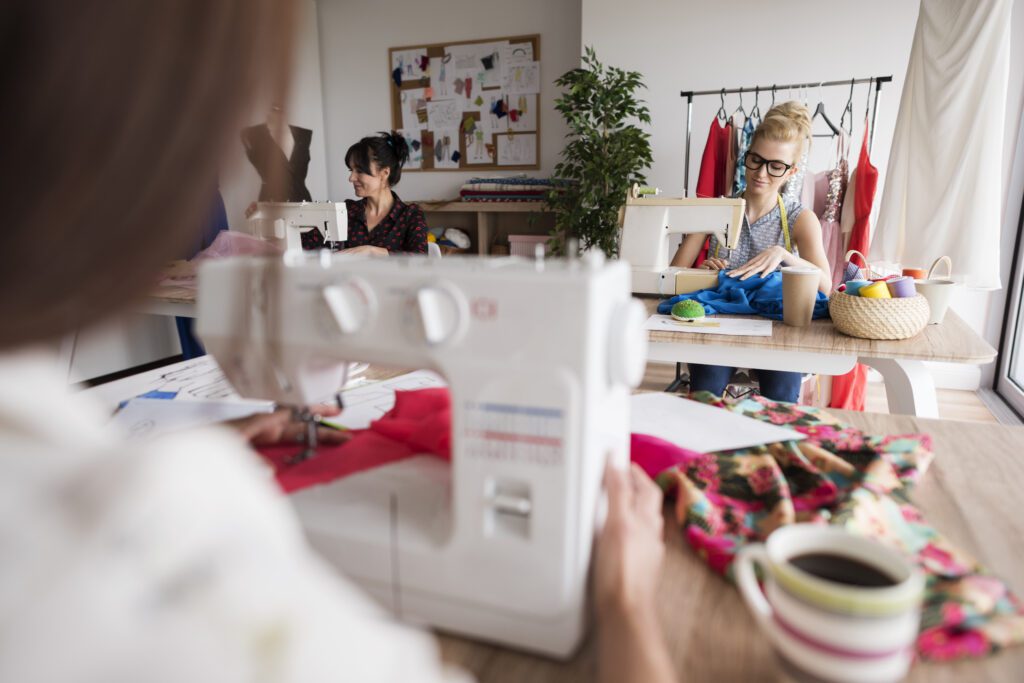
The textile industry once relied heavily on manual labor analog processes and human intuition. Factory workers visually examined fabrics designers hand drew patterns and production timetables were determined by experience rather than analytics. But as customer demands evolved fashion cycles accelerated and global competition intensified the industry sought smarter faster and more cost effective solutions. Enter AI-powered textile design and intelligent textile production systems not as trendy buzzwords but as essential tools for innovation. Today modern textile companies are leveraging data driven fabric creation automated pattern generation smart manufacturing and machine learning in textile production to amplify human creativity and efficiency rather than simply replace human labor.
Why AI Matters In Textiles:
Rising labor costs sustainability regulations fast fashion cycles globalization and evolving customer expectations are putting unprecedented pressure on textile and apparel supply chains. Traditional approaches relying on manual craftsmanship and linear production methods struggle to keep pace in this dynamic landscape. AI driven textile design and smart textile production offer solutions that go beyond automation they analyze big data predict trends and generate actionable insights that are challenging for humans to uncover. Modern innovations from intelligent fabric manufacturing platforms to AI powered design software are accelerating creativity improving product quality and optimizing resource efficiency across the textile industry.
AI In Textile Design:
Intelligent Design Software From Imagination:
Every textile products design lies at its core Design establishes the tone for fashion trends and consumer appeal, whether it’s through a striking geometric print a floral theme or an elaborate jacquard weave. In the past, designers used subjective trend analysis, mood boards, and hand sketching. However AI powered textile design software has become accelerating the creative process. Based on trend data, color psychology, cultural references, and seasonal forecasts, AI-powered design platforms are able to analyze thousands of existing designs and produce new pattern suggestion This feature which is frequently driven by generative algorithms enables designers to:
- In just a few minutes create hundreds of different patterns.
- Test color combinations based on information
- Before production, see how the pattern affects various types of fabric.
In a world where rapid fashion has become the norm, these technologies not only expedite creative exploration but also assist firms in maintaining their competitive edge.
Trend Forecasting Through Data:
Prior to AI seasonal fashion displays and expert intuition were the main sources of trend predicting. In order to identify emerging trends AI now examines enormous data sets including mood on social media, influencer tendencies regional preferences and even search behavior Before creating a collection designers are able to learn about possible demand thanks to this data driven insight into textile production.
Brands classify colors that will be popular next season patterns that appeal to specific populations and textures that suit changing lifestyles using machine learning algorithms The outcome? Design choices that are grounded in actual client information as well as innovation.
Virtual Prototyping And 3D Textiles:
Without making a single physical sample picture designing a fabric pattern draping it on a 3D model and seeing how it responds to light and movement Thanks to sophisticated simulation tools AI in Textile Design has made this feasible Designers are able to:
- Display realistic fabric behavior.
- Make designs more appropriate for various kinds of clothing.
- Prior to sampling, determine the viability of production.
This significantly cuts down on waste of time money and materials which benefits sustainability and creativity.
AI In Textile Production:
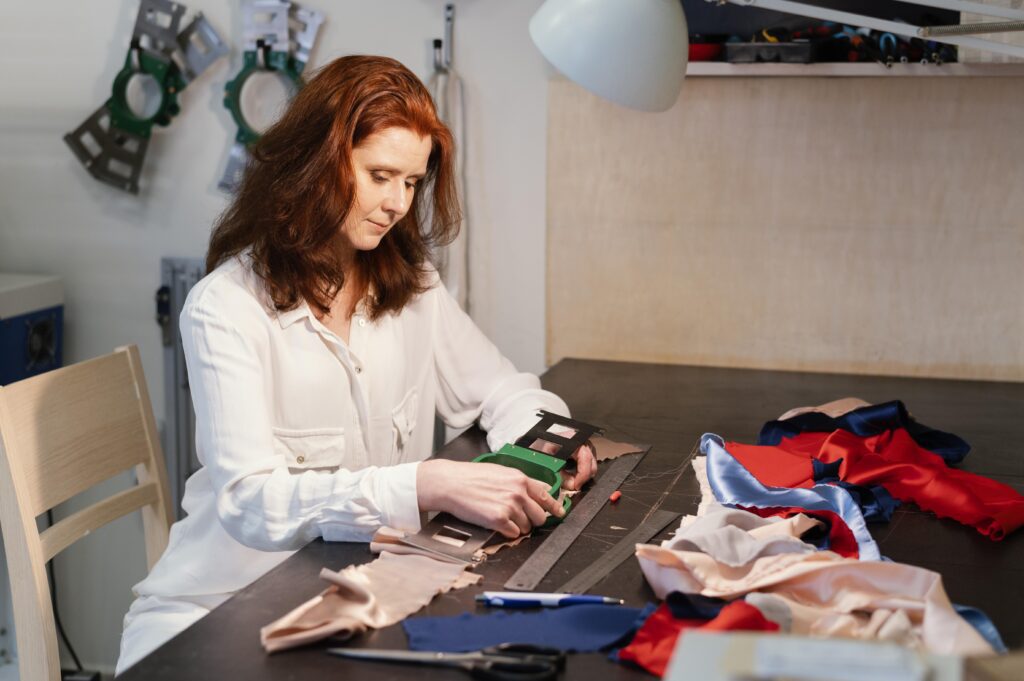
The entire potential of AI textile technology is shown during the transition from design to production Reactive maintenance strict scheduling and manual quality checks were all part of traditional textile production This paradigm is reversed by AI
Automated, Intelligent Quality Inspection:
Manual fabric examination was common in the past and was prone to mistakes inconsistencies and weariness Presenting AI powered vision technologies that perform real-time textile analysis on the production line These programs are able to identify:
- Unbalanced weaves.
- Variations in the color.
- Discolorations flaws and material deficiencies.
- Subtle misalignments in patterns that are obscured from view.
Unlike humans who might just verify samples, these machines use cameras and deep learning models trained on millions of fabric photos to inspect 100% of production output. Problems are identified immediately allowing producers to take action before expensive flaws spread throughout the manufacturing process.
Predictive Maintenance Via Machine Learning:
Complex machinery, such as spinning frames looms and dyeing machines are used in the production of textiles An complete manufacturing line can stop due to a breakdown which results in waste and delays With the advent of machine learning in textiles producers increasingly utilize machine sensor data to:
- Keep an eye on operational trends, temperature, and vibration.
- Estimate the likelihood of a component failing.
- Plan your maintenance before it breaks.
By switching from reactive to proactive maintenance equipment life is increased uptime is increased and operating expenses are decreased It is a fundamental component of smart textile manufacturing in which data driven production lines efficiently operate themselves.
Optimization Of Processes And Schedules:
Textile factories manage the flow of materials labor tasks machine availability, and delivery schedules. In the past workers created schedules manually and rigidly. Now, AI algorithms dynamically optimize schedules using real-time data and changing priorities, improving efficiency and reducing delays.
In an era of fast fashion and customized orders AI solutions help exceed customer expectations by reducing bottlenecks preventing idle time, and improving on time delivery by balancing resource availability with order demand. This AI-based method of Textile Production enables firms to swiftly and effectively adapt to shifting consumer demands.
Blending Technology And Creativity In Textile AI:
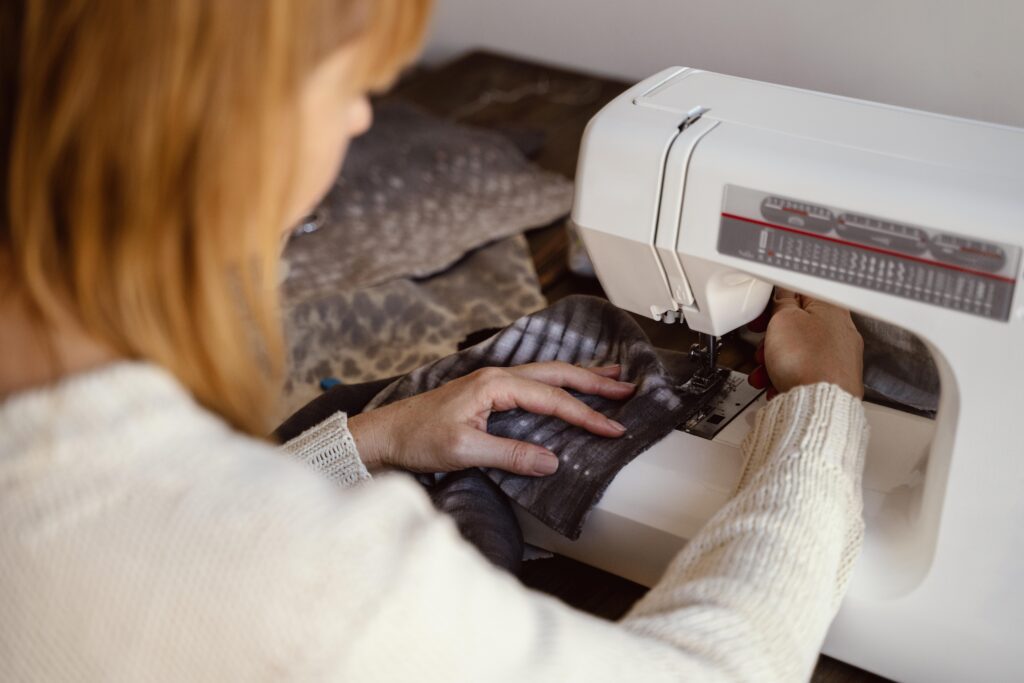
AI is a highly helpful tool for textile designers since it can evaluate vast amounts of data and spot intricate patterns. By examining trends color schemes and consumer preferences AI can produce unique textile designs that meet consumer preferences and contemporary market demands. Designers employ AI to produce intricate designs that would be too challenging or time-consuming to produce by hand. One well known use of AI in textile design is Generative Adversarial Networks (GANs). GANs learn from vast databases of existing textile patterns and generate intricate, unique designs This process combines a variety of themes and styles giving designers a wide range of creative options. AI also allows designers to adapt patterns to individual consumer tastes, making it easier to customize designs according to specific preferences and requirements.
The Relationship Between Textile Design And Textile Production:
The entire textile industry thrives on the close and interdependent relationship between AI assisted textile design and smart textile production Designers shape the creative vision through colors patterns textures and functionality while automated fabric manufacturing systems transform these ideas into real market ready textiles Designers make every creative decision by considering data driven production planning material selection cost efficiency scalability and sustainable textile manufacturing. Clear and precise digital design to production workflows directly improve production efficiency and fabric quality. Today AI powered textile design software predictive analytics and intelligent manufacturing systems connect design and production more seamlessly than ever. These technologies boost consistency reduce errors and shorten production cycles. Sustainability goals further strengthen this connection through eco smart textile solutions When AI driven design innovation aligns with high efficiency textile production brands deliver creative, high quality and market ready textiles.
Challenges In Textile Design And Textile Production:
From concept creation to final production, the textile business faces constant hurdles making it one of the most innovative yet complex sectors. These difficulties are brought on by shifting consumer preferences, advancements in technology, environmental issues, and financial strains.
- Creative Limitations: striking a balance between production limitations and market trends while maintaining originality.
- Trends change quickly: Designers are under pressure and may lose money as a result of short fashion cycles.
- Choosing materials: Making sure that both natural and synthetic fibers are of a high caliber.
- Environmental effect and excessive use of chemicals, energy, and water are sustainability issues.
- High production costs include rising labor, equipment, and raw material costs.
- Using contemporary techniques like AI and digital printing is an example of technology adaptation.
- Scarcity of Skilled Labor: Insufficiently skilled designers, technicians, and operators.
- Production Errors & Waste: Design or handling errors result in lost time and money.
Future Of Textile Design And Textile Production:
The combination of creativity and modern technology will drive the future of textile design and production. Designers can experiment with patterns, colors, and textures more effectively using artificial intelligence digital printing and 3D manufacturing. Wearable technology and smart textiles will allow fabrics to react to changes in temperature, motion, or the environment. Blockchain and AI will make supply chains more data driven transparent and efficient Customers can co create textiles and styles that suit their tastes as personalization and customization grow. Material scientists engineers and designers will collaborate to drive innovation while maintaining production efficiency Overall the textile industry will thrive by combining innovation technology and responsibility to create smarter sustainable and commercially successful solutions.
Summary:
AI is revolutionizing textile production and design by fusing efficiency and creativity In design it examines patterns colors and trends to assist in producing creative textiles that are ready for the market AI can reduce trial and error by simulating fabric behavior optimizing color palettes and coming up with design ideas Through automated quality control predictive maintenance and optimal scheduling it increases production efficiency AI contributes to sustainability by lowering energy, water and waste usage. Although technology fosters human creativity it cannot take the place of a designer’s artistic vision and intuition All things considered AI creates a link between creativity and practical implementation resulting in a more intelligent and sustainable textile sector.
FAQs:
How does AI help designers create textile patterns?
AI is capable of automating repetitive processes, simulating fabric behavior prior to production, and suggesting new patterns by analyzing trends, colors, and historical designs.
Can AI replace human creativity in textile design?
No, AI increases human creativity by providing ideas and efficiency, but it cannot take the place of designers’ artistic vision, cultural awareness, and intuition.
How does AI improve textile production efficiency?
AI improves production schedules, minimizes material waste, forecasts machine maintenance requirements, and continuously monitors quality.
Does AI contribute to sustainability in textiles?
Indeed, by digitally creating and testing designs, AI helps decrease waste, tracks energy and water consumption, and suggests environmentally beneficial production techniques.
What are some examples of AI applications in textiles?
Applications include supply chain optimization, automated dyeing, fabric fault identification, digital pattern creation, and predictive trend analysis.
Is AI widely adopted in the textile industry?
Although smaller producers may encounter difficulties because of cost and technical capabilities, adoption is expanding quickly, particularly in fashion-forward and large-scale production units.
Read More Related Articles https://trendythreads.net/8-technology-trends-that-will-transform-the-textile-industry-for-goods/


