Silk Thread is one of the oldest and most luxurious textile fibers known to humankind. For generations, people have used it in apparel, embroidery, and ornamental fabrics because of its natural luster, smooth texture, and exceptional strength. Unlike synthetic fibers, silk is a natural protein fiber produced by silkworms, making it lightweight, breathable, and gentle on the skin. Its timeless elegance and versatility keep silk thread a premium choice in both traditional handicrafts and contemporary fashion.
Origin And History Of Silk Threads:
The origins of silk threads date back more than 5,000 years to ancient China, where silk production was a highly guarded trade secret. Legend has it that Lady Leizu discovered silk when a silkworm cocoon fell into her tea and unraveled into fine threads. This led to the practice of raising silkworms for silk, known as sericulture. Silk quickly spread across continents via the famous Silk Road, becoming a symbol of wealth and prestige. Through its influence on international trade, fashion, and cultural exchange, silk threads left a lasting impact on civilizations.
How Silk Threads Are Produced:
Silk thread comes primarily from the Bombyx mori species of silkworms, which feed on mulberry leaves. These silkworms spin their cocoons using a single continuous filament that can reach up to 900 meters in length. After harvesting, people gently cook the cocoons to release sericin, the natural glue that binds the threads together. Then, they carefully separate, twist, and spin the fine filaments to produce silk threads. Among natural fabrics, silk thread stands out for the meticulous process that preserves the fiber’s strength and smooth texture.
Types Of Silk Threads:
Mulberry Silk Thread:
The most popular and premium silk thread in the world is mulberry silk. Silkworms that feed exclusively on mulberry leaves produce long, silky, and uniform fibers. Naturally white or ivory, these threads have a delicate, luxurious luster that beautifully reflects light. Despite their fine appearance, mulberry silk threads are exceptionally strong, making them ideal for high-end apparel, embroidery, scarves, and luxury household textiles.
Tussar Silk Thread:
Silkworms that dwell in forests and eat natural leaves instead of farmed mulberry bushes make tussar silk commonly referred to as wild silk This silk thread has an earthy, organic appeal due to its rich, natural golden or honey brown tone Tussar silk has a little finer texture than mulberry silk yet that raw quality is precisely what makes it special and appealing.
Raw Silk Thread:
Raw silk thread is made from silk fibers that are not fully polished or cleaned. As a result, the thread has a slightly rough texture and a subtler sheen, retaining tiny natural impurities. While maintaining silk’s characteristic strength, this type of thread offers a more organic and rustic charm.
Spun Silk Thread:
Spun silk thread is made from shorter fibers or leftover silk from reeling. These fibers are spun like cotton or wool to create a soft, versatile thread. Strong and smooth yet less glossy than reeled silk, spun silk offers a silky feel with durability, making it ideal for knitting, sewing, embroidery, and blended fabrics.
Organza Silk Thread:
Organza silk thread is crisp, lightweight, and slightly stiff because it is made from tightly twisted silk strands. These threads create beautifully shaped, sheer fabrics that add volume and structure without weight. Popular in evening gowns, bridal wear, and decorative overlays, organza silk threads have a delicate beauty enhanced by their subtle luster.
Silk Threads In Embroidery And Craftsmanship:
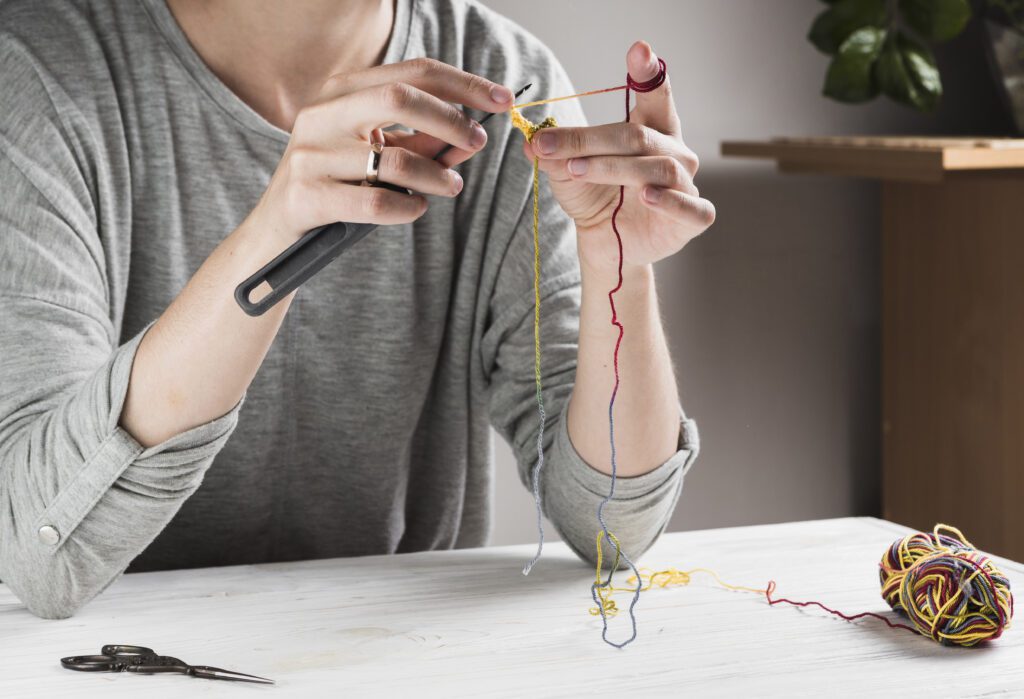
Silk threads are highly prized in embroidery because of their smooth flow and capacity to produce intricate fine motifs They move through cloth with ease, lowering friction and enabling accurate sewing Silk threads are used extensively in traditional embroidery forms like Persian art, Kashmiri work, and Chinese silk embroidery to create a rich, three dimensional look. Silk’s inherent sheen accentuates designs, giving embroidered motifs a vivid realistic appearance.
Silk Thread Uses In Different Ways:
In Clothing:
Silk threads give clothing a rich sheen, strength, and elegance. Designers often weave them into textiles to create breathable, smooth garments with a graceful drape and natural shine. Silk threads enhance embroidery with vibrant color and gloss, giving designs a sophisticated, detailed look. They are also used for decorative elements like borders, tassels, and finishing touches, as well as for fine stitching in delicate or high-end garments. Choosing the right type of silk thread and caring for it properly helps preserve the beauty and longevity of silk-threaded clothing.
In Jewelry:
In jewelry, silk threads are utilized to produce flexible, attractive and light designs that go well with clothes They are frequently twisted braided or wrapped to create waist chains necklaces bangles and anklets In order to add color and tenderness to jewelry silk threads are also used to bind beads pearls, stones and metal charms. Silk thread jewelry adds a sophisticated, coordinated, and handcrafted touch to both traditional and modern attire.
In Hair Accessories:
Silk threads are used to provide softness, color and sparkle to hair accessories They are braided into hair ties and tassels, or they are wrapped around hairbands, scrunchies, clips or pins. This enhances hairstyles and makes the accessories not only stunning and decorative but also kind to the hair, reducing breakage.
In Bags:
Bags are decorated with needlework braided handles, and ornate stitching using silk threads. They enhance the overall look of cloth or woven bags by adding color, texture, and an opulent finish that makes them fashionable, refined, and long lasting.
In Home Decor:
Silk threads are used to provide texture and refinement to home décor. Through stitching, tassels, fringes, or braided accents, they are incorporated into objects such as cushions, curtains, wall hangings, and table runners, adding color, gloss, and an opulent, handcrafted appearance.
Using Silk Threads For Embellishments And Finishing:
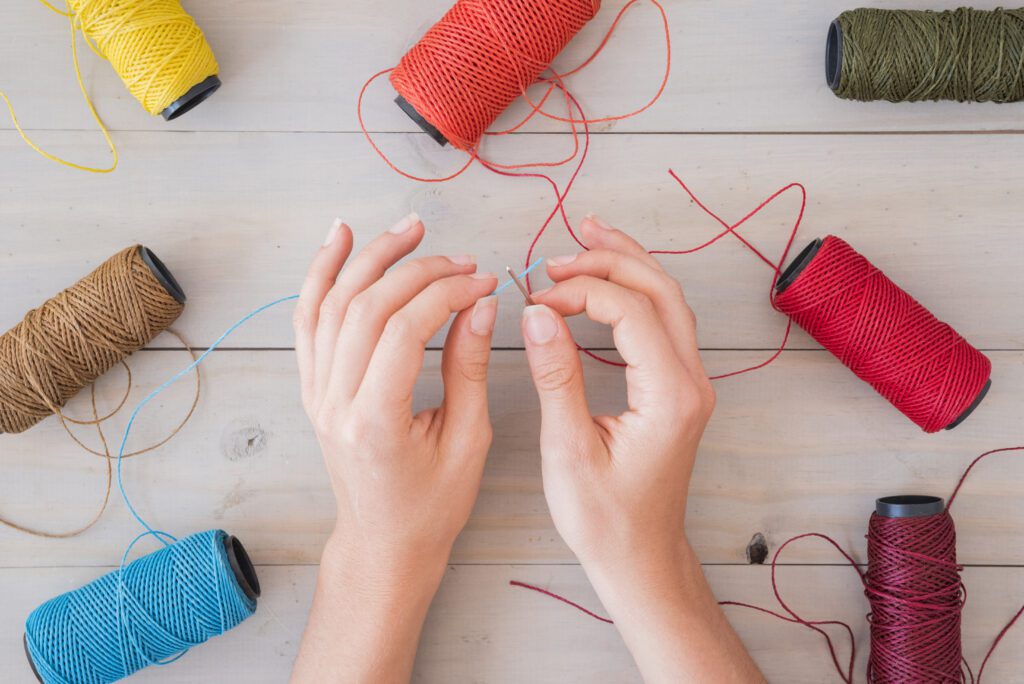
Additionally, designers use silk threads to create decorative finishing features like button loops, borders, tassels, and piping. These details give clothes a more sophisticated and luxurious look. Silk thread tassels often adorn waist ties, sleeves, and dupattas. When cared for properly, silk threads retain their brilliance even after repeated use, thanks to their strong color retention.
Care Considerations When Using Silk Threads:
Silk-threaded clothing requires careful handling to maintain its beauty. Harsh washing, strong detergents, and excessive friction can weaken the threads over time. Designers and experts recommend dry cleaning or gentle hand washing, especially for embroidered garments. Storing clothes away from moisture and direct sunlight prevents fading and thread breakage, helping the garment stay elegant for years.
Summary:
In 2026 silk thread is still a fashionable and adaptable material that is utilized in jewelry, accessories fashion, and home decor. Designers and DIY enthusiasts are employing silk threads to make handmade, bright and exquisite creations From embroidered garments, celebratory bangles and bridal accessories to home decor items and gift wrapping, silk thread offers a luxury aesthetic touch. Eco friendly handmade goods, mix and match threads and simple yet vibrant designs are the main trends of today.
FAQs:
What’s trending with silk thread in fashion this year?
Designers are using silk and other natural fibers in clothing and accessories for comfort, sustainability, and quality. They blend traditional fabrics with modern cuts, textures, and intricate needlework to create contemporary designs.
Are handmade silk thread crafts popular in 2026?
Indeed, as fashion shifts toward handmade, expressive features, artisanal embellishments like hand-embroidered designs, tassels, and trims are in style.
How is silk thread used in accessories now?
People frequently use it in decorative trimmings to add color and texture to everyday items, in braided bag handles, and in handcrafted jewelry.
Is sustainability influencing silk thread trends?
Indeed, as customers value green fashion, eco dyed silk, ethical sourcing, and even lab grown silk substitutes are gaining popularity.
Can traditional silk techniques stay relevant in 2026?
Yes classic methods like Ikat weaving and dupion silk are being modernized with fresh colors, dual tone threads and contemporary designs, bridging old and new.
Read More Related Articles https://trendythreads.net/revival-of-thread-traditional-methods-with-modern-touch/