Fabric Stamping is an artistic technique that uses stamps and paints or inks with specific formulas to transfer images onto cloth In contrast to screen printing or embroidery stamping enables rapid pattern replication making it an accessible method for both novice and expert designers Fabric stampings adaptability is what makes it so beautiful you may create distinctive, one of a kind designs for accessories delicate accents for home decor or dramatic repeating patterns for apparel This method offers a tactile, hands on experience that adds a personal touch to materials, bridging the gap between handcrafting and contemporary textile design. It started out as a straightforward do it your self project and has since developed into a well-known technique in interior design projects, artisan markets, and professional fashion studios.
Choosing The Right Fabric For Stamping:
The fabric itself forms the foundation of every fabric stamping project. Natural textiles like cotton, linen, and silk work best because they absorb paint or ink evenly, producing crisp, vibrant designs. Cotton is especially popular for T-shirts, tote bags, and pillow covers due to its strength and excellent color retention. Silk allows for delicate, precise patterns, making it ideal for scarves or lightweight garments, while linen’s slightly textured surface gives stamped designs a rustic, artistic look. Although synthetic fabrics like polyester or nylon can also be stamped, they require specialized inks or fabric paints to prevent smudging or fading.
Types Of Stamps Used In Fabric Stamping:
The type of stamp you choose for fabric stamping has an important impact on the texture clarity and overall appearance of your design Stamps come in a variety of forms each with special qualities and functions. Here’s a thorough examination of the most popular kinds:
Wooden Stamps:
One of the earliest and most basic kinds of stamps used in fabric stamping is the wooden stamp These stamps which are usually hand carved can have elaborate designs that range from geometric patterns to floral motifs. They have a hard surface that guarantees even application of paint or ink and their longevity makes them perfect for frequent usage.
Rubber Stamps:
Rubber stamps are a favorite among both novice and expert fabric designers due to their flexibility and versatility Even on slightly rough or uneven cloth surfaces, they are able to precisely show intricate designs Both pre-made and customisable rubber stamps are available allowing you to carve your own designs.
Foam Stamps:
Foam stamps are an excellent choice for beginners and children because they are lightweight, soft, and easy to handle. Their larger and simpler shapes make them ideal for creating bold designs or covering larger areas of fabric. Foam stamps work especially well for playful or modern patterns, such as stripes, polka dots, or abstract shapes. Since the stamps are soft, you need to press them gently but evenly to ensure a clear, well-defined design.
Sponge Stamps:
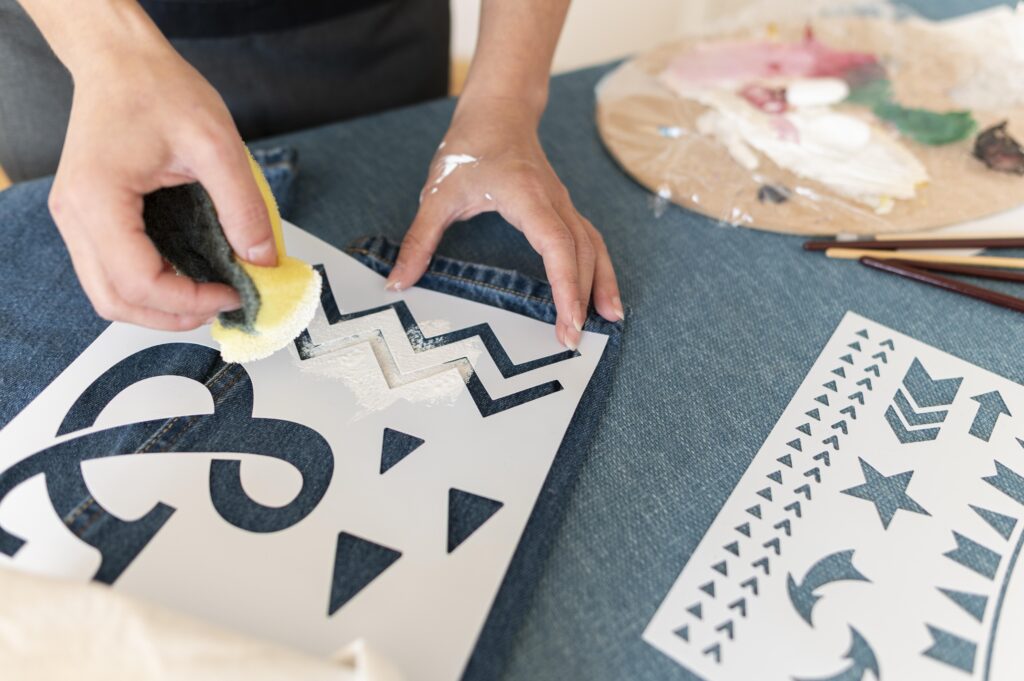
Sponge stamps are soft and absorbent, allowing them to hold larger amounts of paint or ink. They work exceptionally well for creating layered patterns, gradient effects, and textured designs. Because sponges can be cut into various shapes and sizes, they offer a high degree of creative freedom. They are especially useful for achieving smooth, soft-edged designs, making them ideal for abstract patterns, backgrounds, or special effects.
Custom Handmade Stamps:
Designers and artists can create countless unique, one-of-a-kind designs using custom handcrafted stamps. They can craft these stamps from linoleum, soft clay, or specialty carving blocks, controlling the size, shape, and texture of every design.
Fabric Paints And Inks:
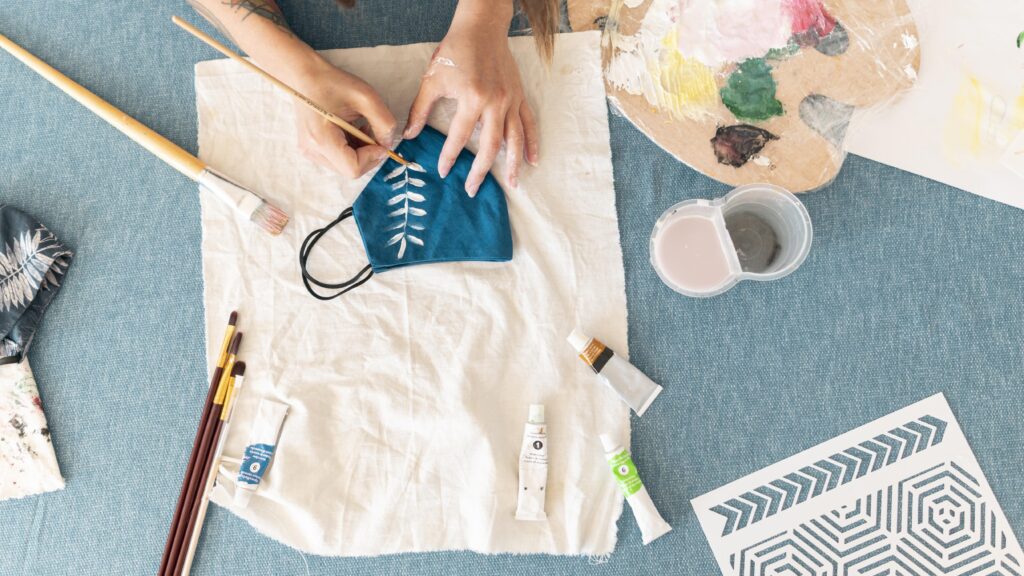
The type of paint or ink you use is crucial for achieving durable and vibrant fabric stamping. Regular paints and inks usually fade or wash out, so they are not suitable for textiles Fabric paints are specially formulated to adhere to fabric and withstand multiple washes and they come in a variety of finishes matte metallic, neon, or glitter offering plenty of creative freedom. Fabric inks, on the other hand, are thinner and ideal for intricate designs that require precision. Some modern inks also offer heat-set options or are eco-friendly, free from harmful chemicals. When choosing paint or ink, consider the fabric’s texture, the complexity of the design, and the desired finish.
Creative Uses Of Fabric Stamping:
Fabric stamping offers countless ways to personalize textiles. In the fashion industry, designers use it to create custom T-shirts, scarves, dresses, and handbags, producing limited-edition or bespoke items without costly production processes. At home, stamping can transform pillowcases, table runners, bed linens, and plain curtains into creative statement pieces. It is also popular for craft projects, such as making decorative banners, tote bags, and personalized gifts. Because fabric stamping is faster and more affordable than screen printing or embroidery, designers often use it to create seasonal patterns for festivals, weddings, and cultural events.
New Life To Old Clothing:
One of the most inventive and practical ways to turn worn out plain or outdated clothing into new fashionable and customized pieces is through fabric stamping Stamping enables you to reinvent objects with fresh patterns textures and colors rather of throwing them away if they have faded lost value, or appear out of date For example adding a geometric or floral pattern across the front or back of a simple cotton shirt can make it a stylish statement item Without the need for expensive tailoring or purchasing new clothing even minor details like stamped pockets collars or cuffs can give an outdated item of clothing a contemporary and creative makeover.
Tips For Best Results In Fabric Stamping:
To achieve professional-looking results, follow several key best practices. Always test the paint or ink on a small piece of fabric before starting the main project. Apply even pressure when stamping to prevent uneven patterns. Clean stamps after each use to avoid color mixing and maintain design clarity. Use guides or registration marks for repeated patterns to ensure consistent spacing. Finally, allow sufficient time for drying and heat-setting, as rushing this step can cause fading or smudging. By following these practices, anyone can create fabric designs that are clear, vibrant, and long lasting.
Summary:
Fabric stamping is a kind of self expression that blends art design and function it’s more than just a craft Because of its adaptability textiles can be creatively personalized by both rookie and expert designers Stamping turns common fabric into something eye catching and unique for everything from fashion to home decor Anyone may experiment and create results that look professional with the correct combination of cloth stamp and paint Fabric stamping is still a classic method that strikes a balance between artistic expression, accessibility and originality as trends change in 2026.
FAQs:
What is the main benefit of fabric stamping for old clothes?
Without purchasing new clothing it turns worn faded or simple items into fashionable unique pieces.
Can fabric stamping cover stains or discoloration?
Indeed! Stains can be deftly covered up by stamps and patterns transforming defects into imaginative design features.
What types of old clothing work best for stamping?
The greatest materials are cotton linen denim and canvas but practically any textile can be revived with the correct fabric paint.
How long does it take to refresh a garment with stamping?
While full-pattern transformations including drying and heat setting may take several hours little designs or accent can be completed in 15 to 30 minutes.
Is fabric stamping permanent on old clothes?
Yes, the designs stay washable and long lasting when the right fabric paints or inks are used and heat set as directed.
Read More Articles https://trendythreads.net/modern-needlepoint-designs-that-are-trending-in-2025/