
Chemical Peel is a dermatological procedure that uses a carefully regulated chemical solution to remove damaged outer layers of skin in order to improve its texture, tone, and clarity The skin is encouraged to regenerate healthier cells beneath the surface and shed dead ones as a result of this process Chemical peels address issues that topical treatment alone is unable to completely address because they operate at a deeper level than daily exfoliation Chemical peel gradually help smooth rough areas, refine pores, and revitalize skin that appears worn out Modern peels are carefully created to address various skin types and issues When done properly, they promote long-term skin health as well as aesthetic enhancement.
How Chemical Peels Work On Your Skin:
Chemical peels allow dead skin cells to simply lift away by severing the connections that hold them together By enhancing cell turnover and promoting the formation of collagen this regulated exfoliation triggers the skin’s healing process The complexion looks smoother more even and fresher as new skin cells emerge The severity of results and recovery time are determined by the depth of penetration of the peel Improvements can be seen weeks after the treatment because the procedure is progressive Chemical peels are therefore a deliberate strategy rather than a quick cosmetic solution.
Types Of Chemical Peels:
Depending on how deeply they penetrate the skin chemical peels can be broadly classed and each form is intended to address particular skin issues Knowing these categories makes it easier to select the best course of action while setting reasonable expectations for recovery and outcomes When properly customized chemical peels provide a wide range of options from mild refreshers to thorough remedial procedures.
Types Of Chemical Peels:
Depending on how deeply they penetrate the skin chemical peels can be broadly classed and each form is intended to address particular skin issues Knowing these categories makes it easier to select the best course of action while setting reasonable expectations for recovery and outcomes When properly customized chemical peels provide a wide range of options from mild refreshers to thorough remedial procedures.
Superficial Chemical Peels:
Superficial chemical peels represent the mildest type of pee targeting the epidermis the skin’s outermost layer They often use gentle acids in low concentrations, such as lactic acid, glycolic acid, mandelic acid, or salicylic acid. These peels help improve dullness, uneven tone, moderate pigmentation, and early signs of aging. Most patients experience only mild redness or flaking, and the downtime remains minimal due to the shallow penetration. Dermatologists often recommend regular sessions of superficial peels as maintenance treatments. Their safety and gentle nature also make them a popular choice for first-time users. Consistent use over time helps maintain smooth, vibrant, and balanced skin.
Medium Chemical Peels:
Medium chemical peels reach the top layers of the tissue by digging deeper into the skin In this group stronger lactic acid formulations and trichloroacetic acid (TCA) are frequently utilized Sun damage fine wrinkles acne scars and moderate pigmentation can all be effectively treated with these peels Compared to superficial peels the results are more obvious but they also take longer to heal Redness, peeling, and irritation of the skin can last for a few days to a week.
Deep Chemical Peels:
Deep chemical peels target serious skin concerns, such as deep wrinkles, prominent scars, and significant sun damage, by penetrating the deeper layers of the dermis These treatments often use phenol or high strength TCA Dermatologists perform deep peels as medical procedures due to their intensity and complexity. Patients may experience swelling, redness, and peeling for several weeks during the extended recovery period. Although the downtime is considerable, deep peels can deliver striking, long-lasting results.

Common Ingredients Used In Chemical Peels:
Chemical peels use a variety of carefully selected chemicals each designed to target specific skin concerns and promote controlled rejuvenation Moderate alpha hydroxy acids such as glycolic, lactic, and mandelic acids focus on surface exfoliation, enhancing brightness, texture and reducing mild pigmentation with minimal downtime. Salicylic acid and other beta hydroxy acids penetrate deeper into pores, making them ideal for oily and acne prone skin. Under expert supervision stronger agents like phenol and trichloroacetic acid work at deeper layers to repair wrinkles, scars, and severe sun damage Combination solutions and retinoic acid further boost collagen production and cell turnover By using these components, professionals can tailor chemical peels to different skin types, goals, and tolerance levels, making them a versatile and effective skincare treatment.
Chemical Peels In Modern Skincare:
Modern skincare no longer treats chemical peels as a one time fix instead professionals integrate them into well rounded long term routines They complement both clinical treatments and daily skincare practices Advances in formulation make peels more inclusive catering to a wide range of skin tones Increasingly, dermatologists prioritize gradual improvement over drastic corrections, focusing on resilience, longevity, and overall skin health. Chemical peels fit perfectly into this approach, representing science-driven, long-lasting self-care.
Benefits Of Chemical Peels:
- To improve your skins texture get rid of dead and damaged skin cells.
- Brighten dull skin and enhance natural shine
- Reduce dark spots irregular skin tone and pigmentation
- To help treat acne clear your pores and cut back on extra oil.
- Reduce the visibility of early wrinkles and fine lines
- Increase the formation of collagen for skin that looks firmer and healthier.
- Make minor scars and acne scars look better
- Reduce the appearance of expanded pores over time
- Boost the efficacy and retention of skincare products
- Encourage general skin health and long-term skin rejuvenation
Who Should Consider Chemical Peels:
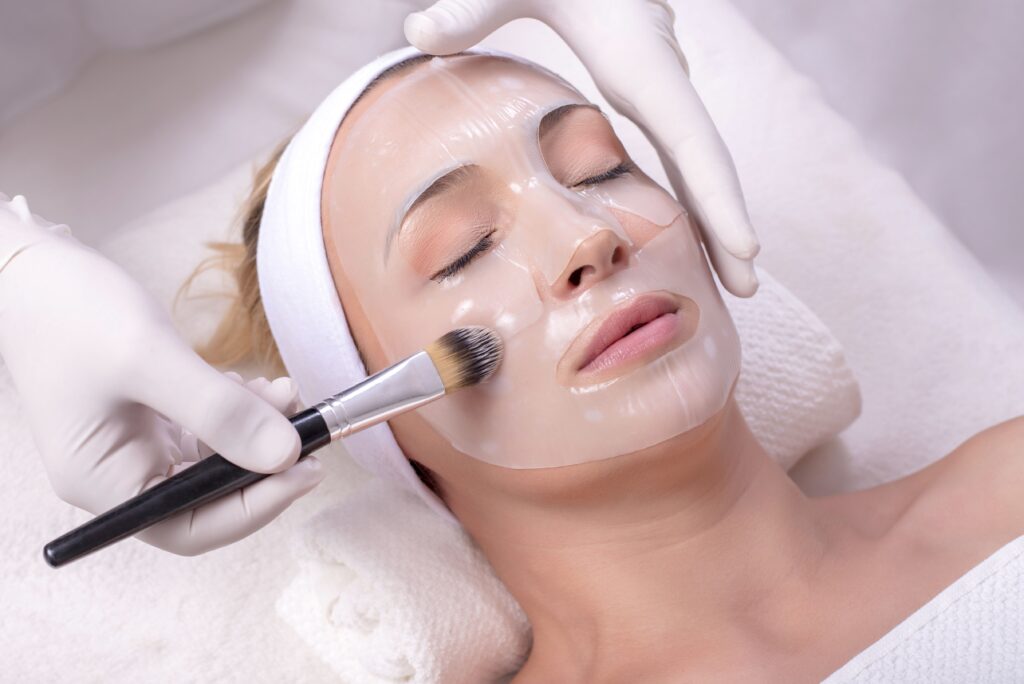
Chemical peels offer a flexible skincare solution for anyone looking to enhance their skin’s health and appearance They especially benefit people with sun damage, uneven texture, dullness, pigmentation issues, or early signs of aging, such as moderate wrinkles and fine lines Peels also help people with oily or acne-prone skin by clearing clogged pores and reducing breakouts In addition to targeting specific concerns, they boost the absorption and effectiveness of regular skincare products Professionals can tailor peels to different skin types and tolerance levels, providing a non-invasive option An expert’s thorough evaluation ensures they select the best peel, optimizing results while minimizing risks.
The Chemical Peel Procedure:
- To choose the right peel kind and strength start with a professional skin analysis.
- To ensure even application thoroughly cleanse the skin to get rid of chemicals oil and makeup.
- Carefully apply the chemical peel solution in layers.
- During application there may be a slight tingling heating or stinging sensation.
- Depending on the depth of the peel leave the solution on the skin for a set amount of time.
- To halt the exfoliating process neutralize or carefully remove the peel.
- After calming the skin with calming treatments apply full spectrum sunscreen.
- The skin heals after the operation which usually takes 20 to 45 minutes.
Risks And Side Effects:
Chemical peels involve some risks and side effects, but trained professionals generally perform them safely. The skin naturally peels or flakes during the rejuvenation process, and patients often feel mild redness, stinging, or irritation, especially after medium or deep peels. Using harsh peels or applying them improperly can lead to more serious problems, such as pigmentation changes or hypopigmentation, particularly in darker skin tones. Rarely, infections or scarring can develop if patients fail to follow aftercare instructions. Although uncommon, some people may have allergic reactions to the chemicals used. During the healing process, patients can expect a temporary increase in sensitivity to sunlight and environmental factors.
Care Of Your Skin After A Chemical Peel:
Proper aftercare is crucial for the skin to heal effectively and to maximize the benefits of a chemical peel. Immediately after the procedure, your skin may feel tight red or slightly irritated To prevent further irritation cleanse gently using a light, neutral cleanser. Keep the skin hydrated with a soothing moisturizer to avoid excessive dryness and peeling. Since new skin is highly sensitive to UV damage, apply broad spectrum sunscreen daily even indoors Avoid retinoids harsh exfoliants and active chemical treatments until the skin fully recovers Do not pick or peel flaking skin as this can lead to pigmentation issues or scarring You can promote healing and guarantee long-lasting, healthy effects by drinking lots of water, eating a balanced diet, and following to your dermatologist’s post-peel advice.
Summary:
To promote skin healing and optimize results following a proper aftercare is crucial. It’s typical for your skin to feel tight, red, or mildly irritated just after the procedure. Apply a calming moisturizer on a regular basis to reduce dryness and peeling, and use a mild, gentle cleanser to avoid irritating the skin Applying broad-spectrum sunscreen with SPF 30 or higher every day, even indoors, is essential since newly exposed skin is extremely vulnerable to UV rays. Avoid strong active ingredients such as vitamin C, AHAs, BHAs and retinoids until your skin fully heals. Do not pick or peel dry skin, as this can cause pigmentation issues or scarring. During the first few days, limit exposure to heat, intense exercise, and cosmetics to reduce irritation. Staying hydrated helps your skin gradually become smoother, brighter, and healthier-looking over time.
FAQs:
How long should I avoid sunlight after a peel?
Depending on the extent of the peel it is recommended to stay out of direct sunlight for at least one to two weeks and to wear sunscreen at all times.
Can I use moisturizer after a peel?
Indeed in order to avoid dryness and promote healing a mild moisturizing moisturizer is necessary.
When can I resume active skincare products?
Retinoids, AHAs, BHAs and vitamin C should be avoided until the skin has healed completely which is typically a few days to a week for superficial peels and longer for deeper peels.
Is redness after a peel normal?
Indeed it is common to experience some redness slight swelling or tingling such signs normally go away in a few days for shallow peels and longer for deeper ones.
Can chemical peels be done in summer?
Yes, however since sun exposed skin is more prone to pigmentation and irritation after peeling extra care must be taken when wearing sunscreen.
Read More Articles https://trendythreads.net/daily-spf-habits-for-healthy-and-glowing-skin/


