

When winter arrives and temperatures drop, choosing the warmest fabric becomes more than a fashion choice it’s about staying warm, comfortable, and cozy. While layering helps, the fabric you wear truly determines how well you can fight the cold. Some textiles naturally retain heat close to your body while wicking away moisture and providing insulation. This detailed guide explores everything from natural fibers to modern synthetics—so you can stay stylish and comfortable while keeping the winter chill away.
The Warmest Winter Fabrics:
One of the most important factors in staying warm is the fabric of your clothes. Some fabrics are better at trapping heat than others. Here are a few of the warmest fabrics to keep you cozy all winter long:
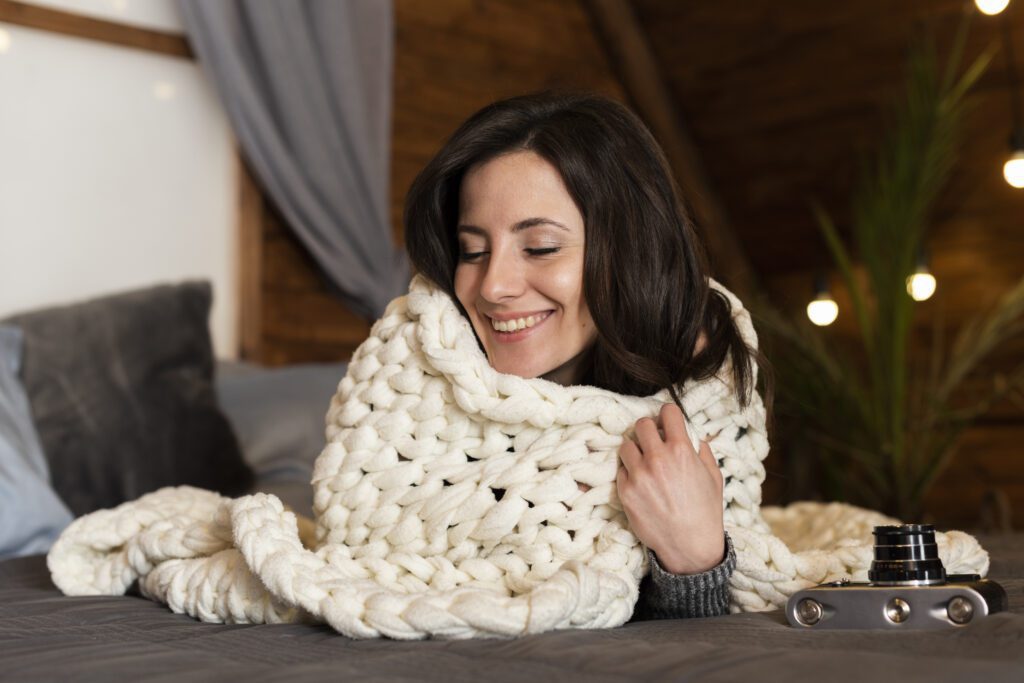
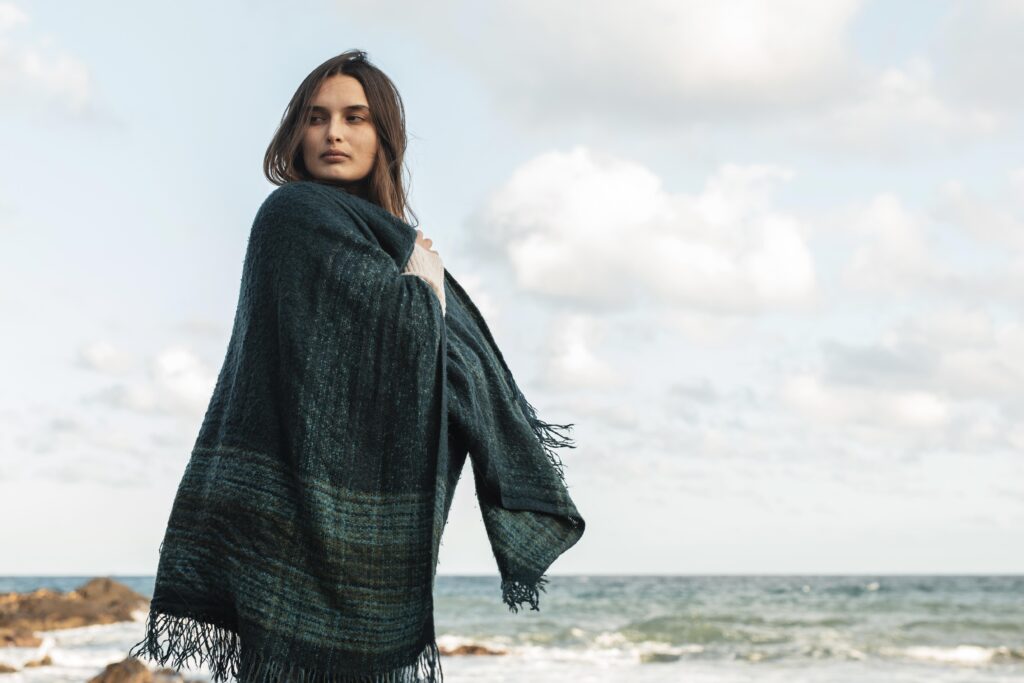
Wool The Timeless Winter Champion:
Wool is the hottest fabric for winter wardrobes. According to years of experimentation and scientific research, it holds the most heat. In contrast, the heat transfer coefficient of wool is about half that of silk (0.039 vs. 0.066). This means that it has an extremely high thermal capacity and this fabric is best for Sweaters, coats, and scarves.
For many years, wool has been regarded as the best material for staying warm in the cold. This natural fabric, which comes from sheep fleece, is very good at retaining heat while letting moisture out. Even at cold temperatures, little air pockets in the structure of wool strands provide a natural insulation barrier by retaining body heat.
Fleece The Modern Synthetic Wonder:
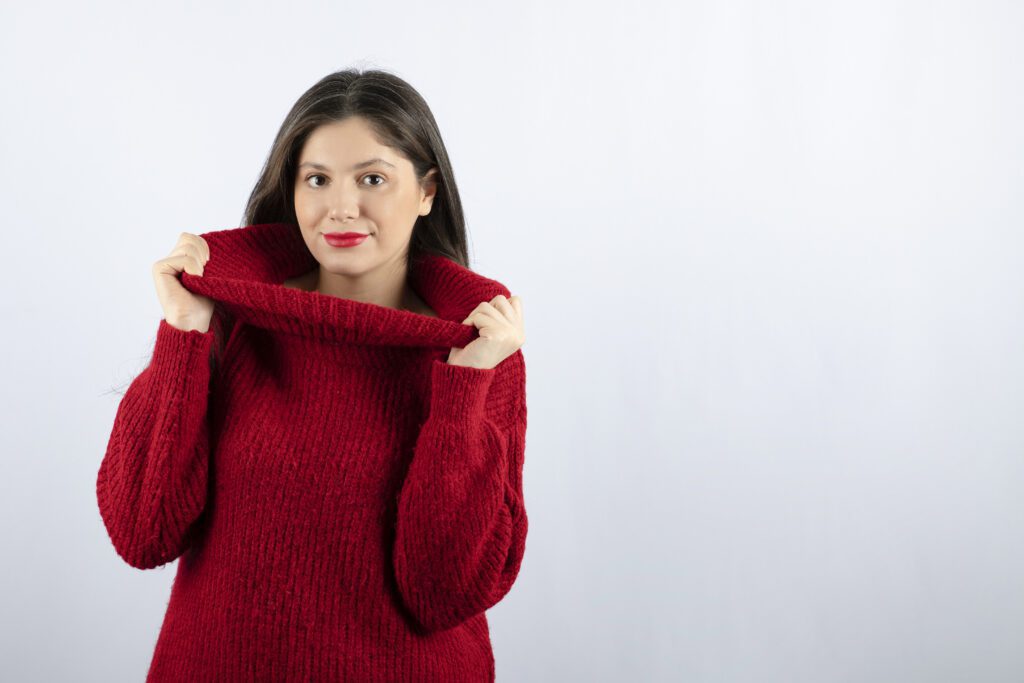
The invention of fleece transformed winter clothing. Made from polyester, fleece feels lightweight, breathes easily, and dries quickly while replicating wool’s insulating qualities. It gained popularity in outdoor and athletic wear because it wicks away moisture and keeps you warm during intense activity. One of its best qualities is that it stays insulating even when wet, making it a great option for unpredictable winter weather. However, since fleece doesn’t block wind, it performs best when layered under a shell or another wind-resistant outer layer.
Down The Ultimate Insulator:
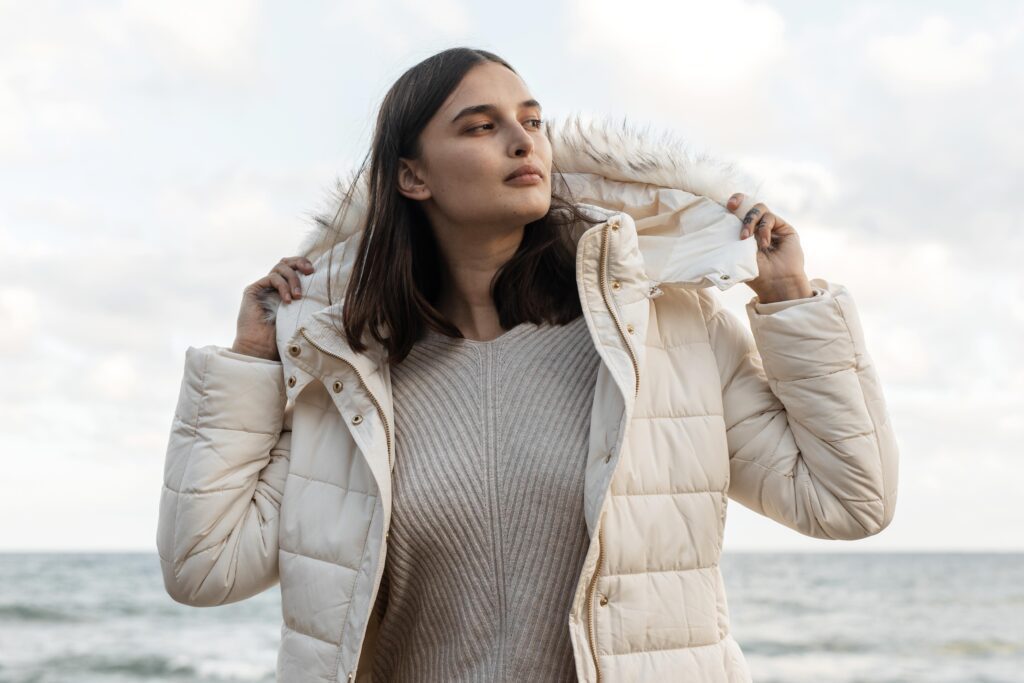
Down isn’t actually a fabric but rather a filler material used in many winter jackets, comforters, and vests. Made from the soft, fluffy under-feathers of ducks and geese, down acts as an excellent insulator. It traps air efficiently, creating tiny pockets of warmth that make it one of the best materials for extremely cold climates.
A good down jacket is perfect for both urban wear and outdoor excursions since it provides unparalleled warmth without adding bulk. However, down loses its insulating power when it gets wet, which is its main drawback. Many brands now provide water-resistant down or synthetic down substitutes that stay warm even in moist situations as a solution to this problem.
Flannel Cozy Soft and Classic:
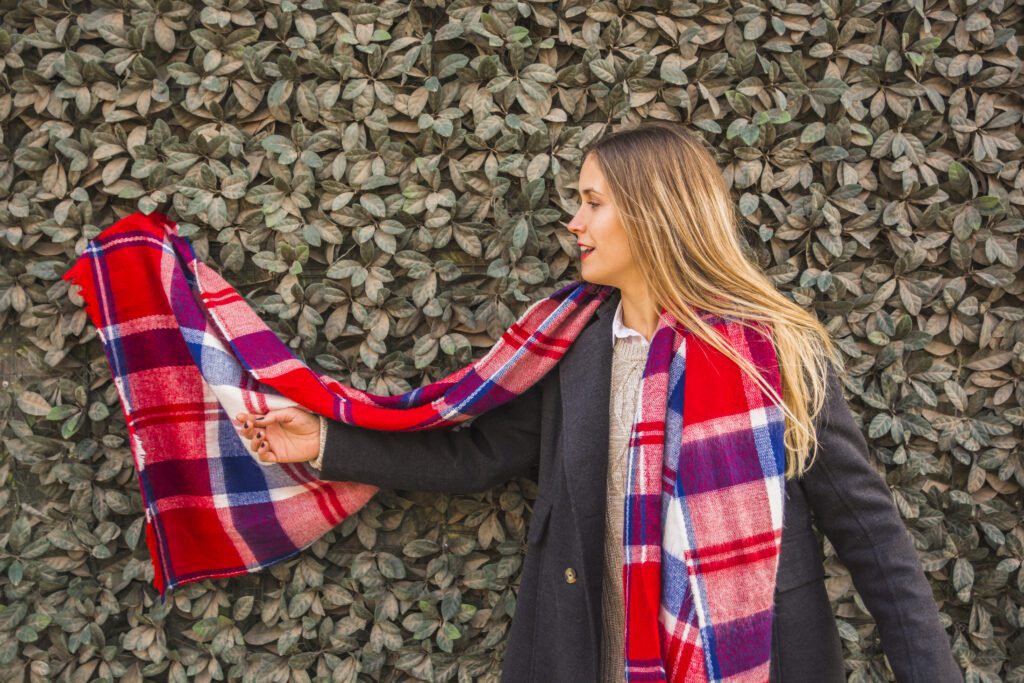
Immediately, flannel gives us ideas of warm cabins, steaming chocolate, and roaring fireplaces. Flannel is a soft woven fabric that offers warmth and comfort and can be made of wool, cotton, or synthetic combinations. It is applied to one or both sides to produce a fuzzy texture that is extremely soft against the skin and retains heat. There’s a reason why flannel shirts and pajamas are essential pieces for the winter wardrobe: they’re warm and breathable, making them ideal for lounging indoors or layering. For milder winters, cotton flannel is a more cost-effective and lightweight alternative to wool flannel, which provides the greatest warmth.
Faux fur Glamorous Warmth Without the Guilt:
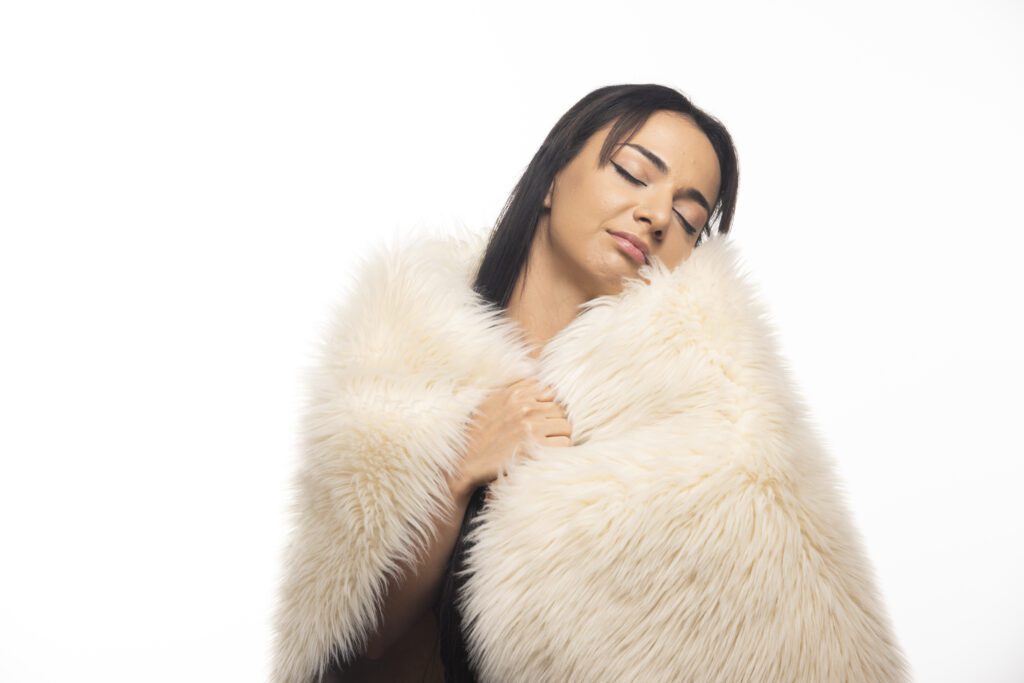
An ethical and stylish substitute for real fur is now faux fur. Faux fur, which is made of synthetic materials like polyester and acrylic, replicates the cozy feel and insulating properties of actual fur without injuring the animals. This fabric offers great warmth and a hint of glitz, making it ideal for outerwear. In addition to keeping you warm in below freezing temperatures, a faux fur coat or jacket may quickly improve your winter ensemble. It is an excellent option for severe winters or snowy regions because it is thick, soft, and wind resistant.
Cashmere Luxury Meets Warmth:
Luxury, softness, and elegance are all associated with cashmere. This fabric comes from the undercoat of cashmere goats and feels warmer and lighter than regular sheep’s wool. The fibers are delicate, fine, and incredibly effective in retaining heat while being kind to the skin. The warmth to weight ratio of cashmere is one of its most alluring features. You can get just as much warmth from a lightweight cashmere sweater as from a much thicker wool one Because of this it’s ideal for layering without adding bulk Cashmere radiates classic elegance while keeping you warm, whether you’re heading to the office or a dinner date.
Tips for Staying Warm:
- Layer Up: Wearing multiple layers of clothing is a great way to stay warm.
- Wear a Hat and Gloves: Your head and hands lose a lot of heat, so it’s important to keep them covered.
- Choose the Right Footwear: Make sure your boots are insulated and waterproof.
How to Select the Warmest Fabric for Your Needs:
Think on your environment and way of life while choosing winter textiles. Here are some pointers to help you:
- For everyday wear: Wool, cashmere, and thermal knits are excellent choices.
- For extreme cold: Down or synthetic insulation (like PrimaLoft) offers superior warmth.
- For fashion-forward looks: Velvet and faux fur combine warmth with elegance.
- For active wear: Fleece and synthetic blends provide breathability and flexibility.
Recall that adding layers of different fabrics can improve warmth begin with a base layer of thermal or silk, add a middle layer of wool or fleece, and conclude with an outer layer of down or insulated material.
Summary:
The warmest materials for winter comfort are those that provide for both ventilation and insulation. Fleece offers functionality and performance, cashmere provides luxury, while wool continues to be the classic leader. While flannel, velvet, and faux fur add comfort and style to your winter wardrobe, down offers unparalleled insulation for the coldest days. To stay comfortable and stylish throughout the season, it’s important to select textiles that complement your needs, climate, and personal style.
FAQs:
What is the warmest natural fabric?
Because of its exceptional insulation and moisture-wicking qualities, wool especially merino and alpaca wool is regarded as the warmest natural fabric.
What is the best fabric for extreme cold?
While synthetic insulation works better in rainy or snowy circumstances, down insulation works best in extremely cold temperatures.
Can cotton keep you warm in winter?
Because it absorbs moisture and loses its insulating properties when wet, cotton is not the best material for cold weather.
Which winter fabric is best for sensitive skin?
Soft, breathable, and less prone to discomfort, merino wool and silk are great choices.
Read More Articles https://trendythreads.net/stylish-barn-jackets-to-elevate-your-winter-wardrobe-2025/


