
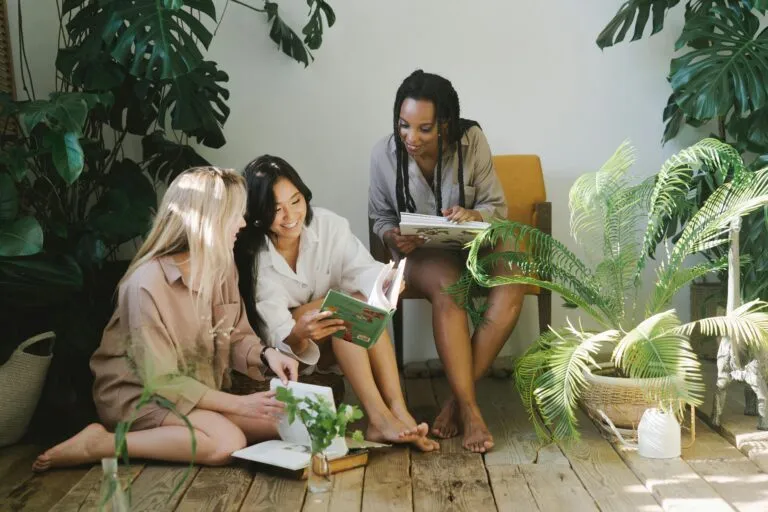
More than just home decor plants are living works of art that infuse any area with beauty and vitality Because greenery quickly improves a home’s mood by adding life, texture, and peace decorating with plants has become one of the most popular interior design ideas. Adding plants may drastically change your living space regardless of how big or tiny your home is Even when you’re indoors they enhance your mood purify the air and help you connect with nature in addition to being aesthetically pleasing Finding balance between nature and your way of life is the goal of plant decorating, not just putting pots here and there. Every area of your house may be made more harmonious, peaceful, and beautiful with the correct plants.
Why Decorating With Plants Is So Important:
Nature provides us with tranquility and clarity, which we frequently overlook in today’s hectic digital environment. Nature uses indoor plants to help us feel rooted in our homes. They improve our health and well-being in addition to adding color and vibrancy. Being near greenery lowers stress levels, promotes creativity, and increases productivity, according to scientific studies. Because of this, incorporating plants into your house is an emotional commitment to a healthier lifestyle rather than just a design decision.
Choosing the Right Plants for Each Room:
It’s crucial to match your plant to your environment because not all plants can flourish in the same conditions. Which plants thrive in each room depends on its temperature, humidity, and light levels. Both longevity and attractiveness are ensured by selecting the appropriate plant for each location.
Living Room:
Since the living room is typically where guests gather it is ideal for showcasing statement plants. Choose larger more striking plants such as Monstera Deliciosa, Rubber Plant, or Fiddle Leaf Fig.These plants elegantly fill vacant spaces and evoke a feeling of elegance and coziness. For a contemporary look, you may also try hanging planters close to windows. The majority of tropical houseplants thrive in the bright indirect lighting found in living rooms. You may create a dynamic, multi-layered space by combining plants of varying heights and sizes.
Bedroom:
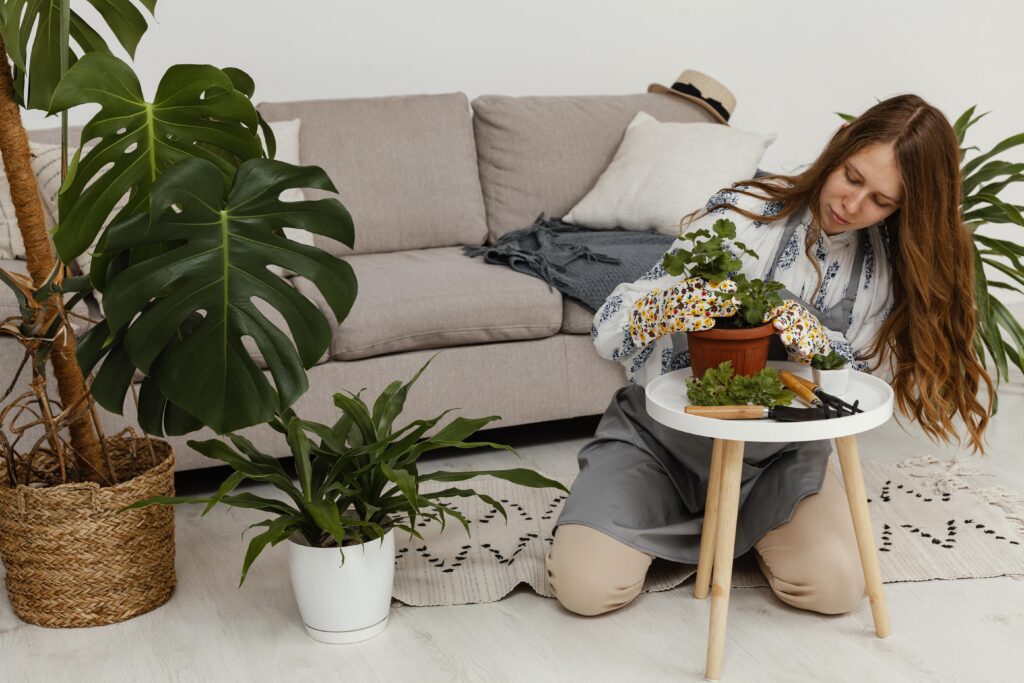
Certain plants can contribute to the tranquility and relaxation that bedrooms should have. Because they produce oxygen at night and enhance the quality of the air while you sleep, snake plants, lavender, spider plants, and aloe vera are excellent options. Place them on bedside tables or close to windows so they may get some light. After a long day, their calming appearance helps you relax by adding a gentle, peaceful touch to the space.
Kitchen:
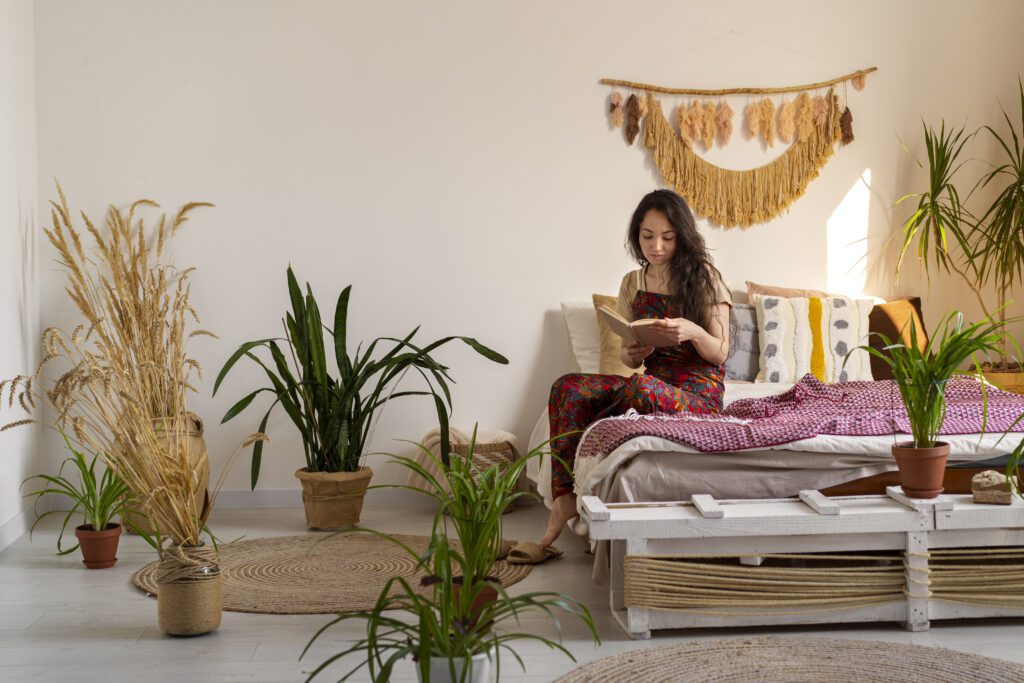
Small, low-maintenance plants like pothos, cacti, or herbs like basil, mint, and rosemary are ideal for the lively and busy kitchen. They are useful for cooking in addition to having a lovely appearance. To save counter space, put them in hanging jars or on your windowsill. Your kitchen will smell welcoming with the aroma of fresh herbs, and the greenery will infuse the hectic space with a hint of freshness.
Bathroom:
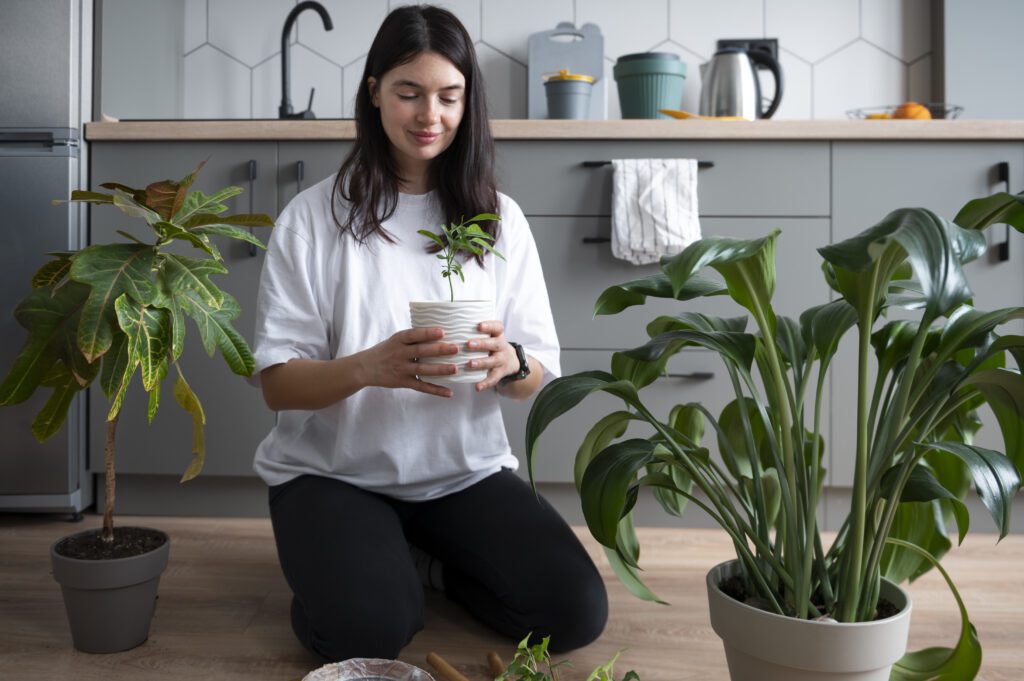
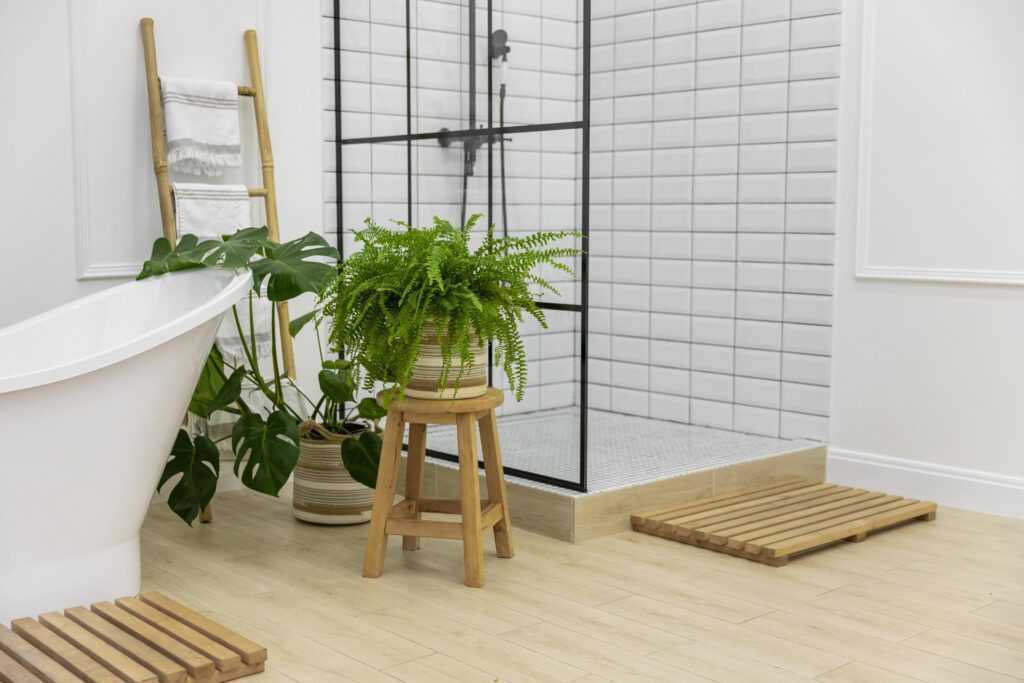
Although bathrooms may seem difficult to decorate with plants, humidity-loving species thrive there. Low light and moisture are ideal for ferns, bamboo, and peace lilies. Their verdant surroundings provide a serene, spa-like ambiance by softening the appearance of mirrors and tiles. Wall planters or hanging plants may maximize tiny areas while bringing character and coziness to the environment.
Entryway:
Your home’s overall atmosphere is shaped by your doorway. A tall ZZ Plant, Rubber Plant, or Dracaena next to the door immediately makes a warm and classy first impression. To complement the color palette of your house, pair it with a colorful pot or woven basket.
Creative Ways to Decorate With Plants:
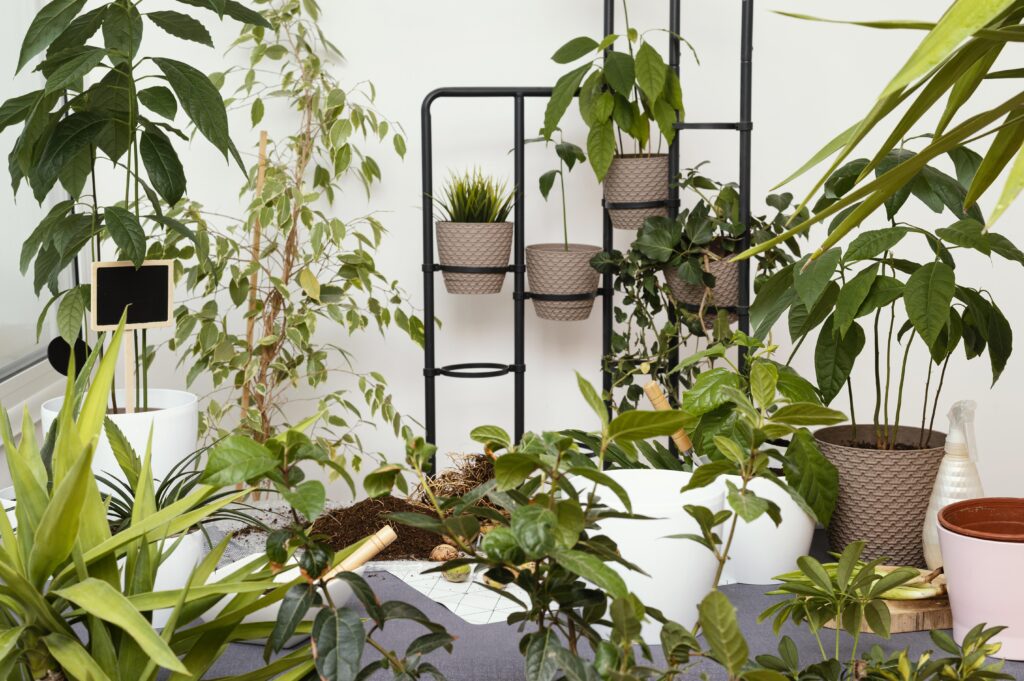
It’s important to be creative when using plants for decoration. Greenery can be used in a variety of ways, from traditional floor pots to creative vertical gardens. The idea is to incorporate your plants into the narrative of your décor.
Create a Plant Corner:
A special plant nook might be a great way to liven up a boring space. For a lush, layered look, mix towering plants with smaller pots and trailing vines. To add individuality and texture, combine several pot styles, such as clay, ceramic, and woven baskets.
Use Hanging Planters:
The eye is drawn upward by hanging plants, which can give your room a more airy appearance. For tiny flats, wall mounted plants or woven hangers are ideal. When they flow down from above, English ivy, philodendron, and string of pearls look breathtaking.
Decorate Shelves and Tables:
Make live displays out of your side tables or bookshelves. Combine small potted plants like succulents or miniature cacti with books, candles, and framed pictures. This softens the overall appearance and gives structural furniture an organic balance.
Design a Vertical Garden:
Go vertical if you don’t have much room Particularly on balconies or little patios, living walls or vertical gardens are both fashionable and practical. Grow plants, herbs, or ferns in wooden frames or modular panels. In addition to making an amazing design statement, they clean the air.
Use Statement Pots and Planters:
Even the most basic plant may look better with the correct container. Select color and materials that go well with your decor, such as metallic pots for a glamorous touch, rattan baskets for bohemian designs, or neutral ceramics for modern homes.
How to Care for Indoor Plants:
Taking care of your plants doesn’t have to be difficult. Knowing what each plant need is the key. Since too much direct light might burn the foliage, most indoor plants prefer bright yet indirect sunshine. To guarantee even growth, rotate your plants from time to time. Another important component is watering. Overwatering is a common habit among novice plant owners, which can result in root rot. Before watering, always inspect the soil; if it seems a little dry, it’s time for a drink. To keep your plants moist, mist them occasionally, especially during the dry seasons.
Every few weeks, carefully wipe the leaves with a soft, moist cloth since dust might prevent sunlight from reaching them. Finally, to replenish the soil and promote root growth, repot your plants every one to two years. Healthy, flourishing plants are ensured by using high-quality potting mix.
Plant Decor Ideas for Small Spaces:
There’s no reason to forgo plants, even if you live in a tiny flat. Installing wall shelves or ladder stands is an inventive way to make use of vertical space. Hanging planters provide the impression that a room is higher while saving floor space. Mini ferns, air plants, and succulents look great on desks, window ledges, and bathroom shelves. To create a unified design without overpowering the area, think about arranging little plants in clusters of three or five pots of varying heights. Choose low-light species that thrive in apartments, such as ZZ Plants, Pothos, or Philodendrons, if you have little sunshine.
Aesthetic Styling Tips:
When styling plants, balance and contrast matter. Combine plants of different heights, leaf sizes, and shades of green to create visual interest. Layering is key mix floor plants with hanging and tabletop ones for a dynamic display. Select planters that complement the design of your house: vintage ceramics for rustic homes, woven baskets for comfortable interiors, or simple pots for modern settings. To draw attention to flora, use neutral backgrounds like white walls or wooden textures. To make your plants stand out in the evening, you may even add soft illumination like spotlights or fairy lights.
Seasonal Plant Decoration:
Throughout the year, seasonal plant décor keeps your house feeling vibrant and new. Bring in flowering plants for pops of color in the spring and summer, such as begonias, African violets, and orchids. Even when the weather outside is gloomy, evergreens like Peace Lilies and Dracaenas will keep your house vibrant throughout the fall and winter. Additionally, you may change the pots or baskets according to the season to match your design, using bright colors in the summer and earthy tones in the fall.
Best Low Maintenance Indoor Plants:
| Plant Name | Light Requirement | Watering | Ideal Location |
|---|---|---|---|
| Snake Plant | Low to medium | Every 2–3 weeks | Bedroom, Office |
| ZZ Plant | Low | Every 2–3 weeks | Living Room |
| Pothos | Medium to bright | Once a week | Kitchen, Bathroom |
| Peace Lily | Medium | Weekly | Bathroom, Bedroom |
| Spider Plant | Bright, indirect | Weekly | Living Room |
| Aloe Vera | Bright light | Every 2–3 weeks | Bedroom, Balcony |
| Succulents | Bright sunlight | Every 2 weeks | Window sills, Office desk |
Summary:
The goal of plant decorating is to create a mood rather than just fill a room. Your house feels lively, serene, and inherently beautiful when it has plants. Every plant offers its own charm and vitality, whether you start with a single tiny succulent or transform your living room into an indoor rainforest. Adding plants to your house is about more than simply aesthetics; it’s about reestablishing a connection with nature, enhancing your wellbeing, and making your house genuinely unique. So if you have to start small, do it now. One leaf at a time, let the enchantment of greenery transform your house into a serene, lovely, and lively haven.
FAQs:
How do I start decorating my home with plants?
Start modestly by selecting one or two low-maintenance plants, such as plantain or snake plants. Put them in well-lit spaces and see how they complement your interior design. To create a harmonious, green space, add more plants of various sizes and textures after you’re comfortable.
What are the best indoor plants for beginners?
The ZZ Plant, Snake Plant, Spider Plant, Aloe Vera, and Peace Lily are some of the best plants for beginners. These plants need little watering or upkeep, are hardy, and can adapt to a variety of lighting conditions.
Which plants are good for low-light rooms?
Choose shade-tolerant plants like Pothos, ZZ Plant, Cast Iron Plant, or Philodendron if your house receives little natural light. These kind thrive in poorly lit halls and corners.
Are there plants that can survive without sunlight?
All plants require some light, although some can survive in extremely little light, such as the ZZ Plant, Snake Plant, and Cast Iron Plant. To preserve their color and health, they should be periodically rotated to brighter regions.
Read More Articles https://trendythreads.net/what-is-tallow-skincare-and-why-is-it-so-popular-now/


